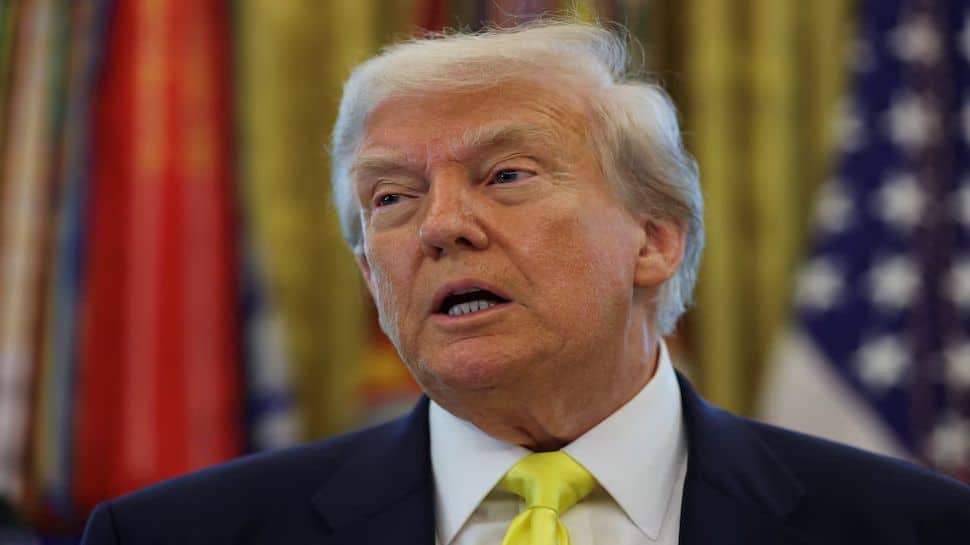
Washington D.C.: US President Donald Trump has once again made headlines with a provocative statement. He declared that the word ‘Indian’ should no longer be used in the United States. While the announcement may surprise many in India, he clarified that his statement is not about Indians from India, but rather about Native Americans. The move has stirred debates over history, identity and respect in American vocabulary.
Where The Term ‘Indian’ Comes From
The confusion over the term dates back to 1492, when Christopher Columbus set sail westward in search of a new route to India. Mistaking the lands he reached for the outskirts of India, he labelled the indigenous people he encountered as ‘Indians.’
Even after it became clear that Columbus had discovered a completely new continent, the name stuck. Over the centuries, it became embedded in colonial treaties, US government policies, and mainstream American language.
For many Native American tribes, the word ‘Indian’ has become a painful reminder of colonisation, misrepresentation and cultural erasure.
While some continue to adopt the term as part of their identity, for others it has become an uncomfortable and offensive label.
Why Trump Called For The Ban
Trump’s announcement ties into a larger cultural debate in the United States. Many American organisations argue that the term ‘Indian’ is outdated and racially insensitive.
They advocate for terms like ‘Native American’, ‘Indigenous’ or the use of specific tribal names, which are seen as more accurate and respectful.
Trump, however, insisted that the word ‘Indian’ should be reserved exclusively for people from India. In his view, Native American tribes should no longer be referred to as ‘Indians’, igniting controversy and debate across the United States.
A History Of Disputes
This is not the first time Trump has been involved in controversies related to indigenous groups. Over the years, he has clashed with native communities over sports team names, casino rights and public statements.
He famously opposed the renaming of teams such as the Washington Redskins and the Cleveland Indians, arguing that Native Americans preferred the traditional names.
His comments have also drawn criticism for reexamining old controversies, including a 1993 congressional hearing in which he questioned whether certain tribes were “authentic Indians”. That statement led to widespread backlash and remains part of the long-running debate over the rights, identity and recognition of Native Americans.
About the Author