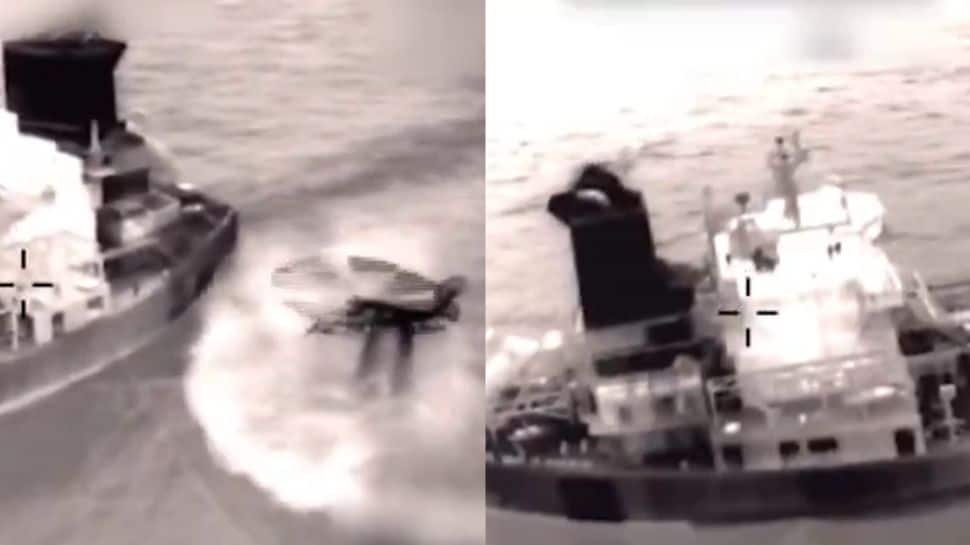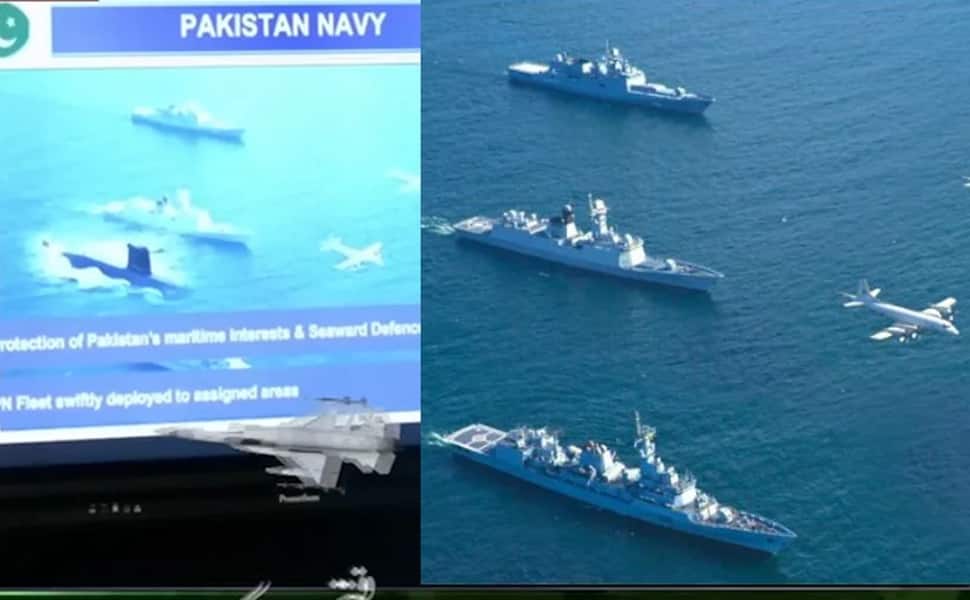
During and after India’s Operation Sindoor, a very unusual pattern emerged in South Asia’s information space. Instead of showing new warships, missiles or real battlefield results, Pakistan-linked networks began pushing something else entirely–AI-generated audio, manipulated videos, and fully synthetic clips designed to confuse audiences and distort the story of the conflict.
Indian fact-checking agencies—including PIB Fact Check, BOOM, Newschecker and Vishvas News—documented a large surge in artificial, altered or completely fabricated media circulating online. Much of this content targeted Indian military leaders, misrepresented Indian operations or pretended to show dramatic events that never happened. The scale and speed of these deepfakes marked a major shift in Pakistan’s approach to psychological warfare. The message was clear. Pakistan’s “new weapons” did not come from its navy or missile programme. They came from its digital propaganda ecosystem.
A Wave of AI-Manipulated Content
Fact-checkers noticed that during Operation Sindoor, the number of manipulated clips increased sharply.What earlier used to be simple misinformation—mislabelled photos or old footage reused with new captions—evolved into far more sophisticated fakes.Audio recordings were altered using voice-cloning tools. Videos were manipulated to change statements made by Indian military officers.Some clips were entirely synthetic, created from scratch using AI models that can produce realistic faces, lip movements and speech patterns.Many of these fakes were first posted by accounts linked to Pakistan-based networks and then amplified by large pages that frequently share anti-India content. As these clips spread into mainstream social media timelines, ordinary users often could not tell what was real and what was not.Operation Sindoor: A Turning Point in AI Propaganda
Analysts who studied this concluded that Operation Sindoor was the moment when AI-driven manipulation became central to Pakistan’s information strategy.Instead of responding to India’s naval deployments with real military force, Pakistan responded with digital disruption.
Because its navy remained largely confined to Karachi and surrounding coastal waters, Pakistan did not have real operational footage to show. It had no images of confrontations at sea, no missile engagements, and no signs of major fleet movement. The physical battle at sea barely happened.
But online, a parallel war began.AI-generated clips showed imaginary strikes, supposed admissions by Indian officers, and dramatic “breaking news” videos made to look like television bulletins.All of them were false, but many were convincing enough to create confusion before being debunked.
Fact-Checkers Trace the Sources
Indian verification teams worked around the clock during the escalation. Again and again, they found that the most viral fake clips had the same pattern–they originated from Pakistan-linked accounts, they used AI tools to manipulate faces, voices or visuals, they targeted Indian military institutions and they spread rapidly through coordinated sharing networks.
The fact-checkers repeatedly warned the public to beware of “synthetic media”—a new category of visual misinformation that does not rely on old footage but creates entirely new events that never happened.This was not traditional propaganda.It was digital fabrication powered by AI.
AI Becomes a Substitute for Military Capability
The most significant conclusion from analysts was that Pakistan was leaning heavily on AI-generated media because it lacked real capability to show. Its naval fleet was not at sea in any meaningful way. Its missile programme did not demonstrate the advanced features that online supporters claimed.Its military posture did not match the dramatic stories circulating on social platforms.
So instead of proving power on the water, Pakistan tried to project power on the internet.Deepfakes became a substitute for footage of real operations. Synthetic audio became a replacement for real military statements. False visuals replaced real naval activity. In other words, AI became the easiest, cheapest, and fastest “weapon” Pakistan could use to challenge India’s narrative.
This digital approach allowed Pakistan to create the appearance of action—strikes, confrontations, and dramatic events—even when none existed in the real world.How These Fakes Mislead Audiences
These AI-manipulated videos do more than distort facts. They shape public opinion. A well-edited fake clip showing a senior Indian officer “admitting” a failure can spread far before anyone realises it is fraudulent.A synthetic video of a supposed strike at sea can fuel misplaced anger or panic.
Because social media rewards speed and emotion, false content often spreads faster than real information. And once a fake video reaches enough people, correcting it becomes difficult. Many viewers either miss the correction or distrust it.
This is why analysts consider these fakes dangerous. They are not just online pranks—they are psychological tools that can influence how the public interprets a crisis. A Digital Navy Instead of a Real One
During Operation Sindoor, India’s Navy operated across the Arabian Sea with confidence. Pakistan’s Navy, however, stayed close to port and showed no signs of challenging Indian deployments. This imbalance made it hard for Pakistan to project strength through real actions.
So it projected strength through artificial images instead. It used AI tools, fake videos, and synthetic narratives to create the impression of activity and capability. Online, Pakistan tried to appear aggressive and technologically advanced, even though its real navy was not prepared for a large-scale confrontation at sea. This is why many analysts describe Pakistan’s digital propaganda ecosystem as a kind of “Social Media Navy”—far more active online than in the water.
About the Author