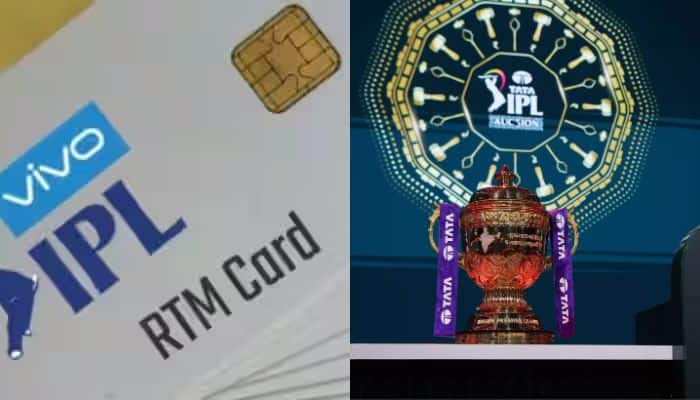
As anticipation builds ahead of the IPL 2026 mini auction in Abu Dhabi, one question has dominated fan debates and franchise boardrooms alike: will teams be allowed to use the Right To Match card? The answer is clear and final. The IPL Governing Council has confirmed that RTM cards will not be part of the IPL 2026 mini auction, staying true to long-standing auction rules and strategy frameworks.
IPL 2026 Mini Auction: Date, Venue and Context
The IPL 2026 mini auction will take place on December 16 in Abu Dhabi, marking the third consecutive year the event is being hosted outside India. Following the blockbuster two-day mega auction held in Jeddah last year, this auction shifts focus from squad rebuilds to smart fine-tuning. Franchises were required to submit their retention lists by November 15, setting the stage for varied auction strategies. While teams like Chennai Super Kings and Kolkata Knight Riders freed up significant purse space through bold releases, Mumbai Indians and a few others opted for continuity, choosing stability over disruption.
What Is the Right To Match Card and Why Fans Expected It
The Right To Match card allows a franchise to reclaim a former player by matching the highest bid placed by another team during the auction. Introduced ahead of the IPL 2014 mega auction, RTM became a powerful tool in 2018 as well, enabling teams to balance retention limits with flexibility. However, RTM was phased out before IPL 2022 and has since been reserved strictly for mega auctions. Despite fan speculation, the IPL Governing Council has reiterated that the rule will not apply to mini auctions, including IPL 2026.
Why RTM Cards Are Not Part of Mini Auctions
The reasoning is rooted in auction structure. Mega auctions restrict the number of players a team can retain, forcing franchises to make tough calls and rely on RTM cards to protect their core. Mini auctions, by contrast, allow teams to retain as many players as they want before bidding begins. Because franchises already control their squad continuity ahead of a mini auction, the RTM mechanism becomes unnecessary. Allowing RTM in this format would distort bidding dynamics and undermine the purpose of purse-based strategy and competition.
How the No-RTM Rule Shapes IPL 2026 Auction Strategy
Without RTM cards, franchises must rely purely on planning, purse management, and sharp bidding instincts. Teams entering with bigger budgets, such as Kolkata Knight Riders and Chennai Super Kings, have greater room to outbid rivals for marquee names or plug multiple gaps. On the other hand, cash-strapped teams like Mumbai Indians will need to focus on value buys, uncapped players, and targeted roles rather than big-ticket signings. The absence of RTM ensures open-market bidding wars, increasing unpredictability and excitement.
IPL 2026 Auction Purse: Who Holds the Advantage
With significant variations in available purse and squad vacancies, the auction table is far from level. Teams with deeper pockets can dictate tempo, while others must be surgical in their approach. The lack of RTM cards also means released players are fully exposed to market forces, often driving prices higher. This dynamic makes the IPL 2026 mini auction less about emotional reunions and more about ruthless decision-making, scouting depth, and tactical clarity.
About the Author