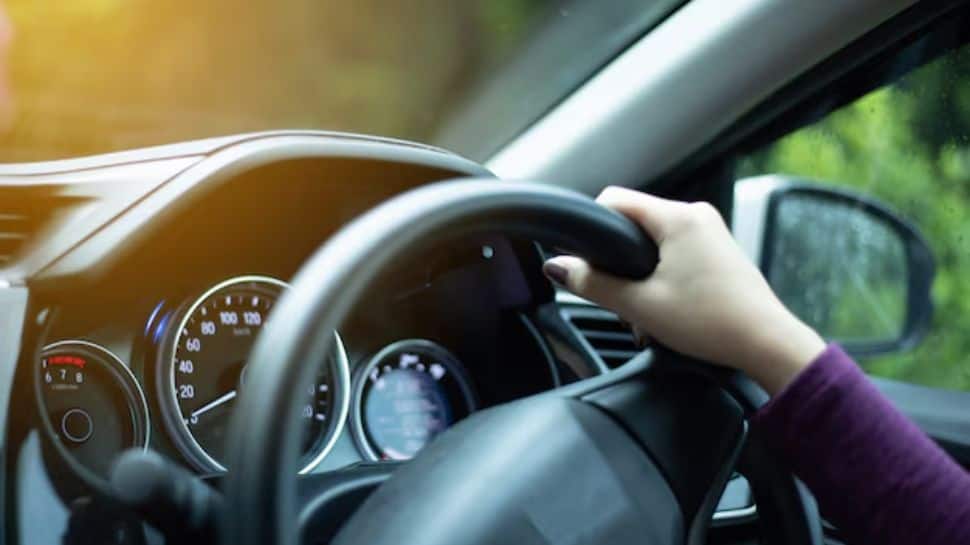
Right-Hand Steering: If you drive in India, you must have noticed that vehicles have the steering wheel on the right side. While many countries place the steering wheel on the left, India follows a different system. This is not accidental but rooted in history, road safety, and driving habits shaped over centuries.
India drives on the left side of the road, a practice inherited from British rule. During the colonial era, British administrators introduced road systems and traffic laws in India, copying those followed in the United Kingdom. Since the UK drives on the left, India adopted the same rule, which continues even after independence.
Once left-side driving became standard, vehicles were designed with the steering wheel on the right. This allowed drivers to better judge the distance from oncoming traffic while overtaking and to stay closer to the centre of the road, improving safety.
Better Visibility and Road Safety
Having the steering wheel on the right offers practical advantages in left-hand traffic systems like India’s. It gives the driver a clearer view of oncoming vehicles, especially when overtaking slower traffic on two-lane roads, which are still common across the country.
This positioning also helps drivers avoid roadside hazards such as pedestrians and cyclists, who often move along the left edge of the road. The driver’s seat being closer to the centre improves awareness and reaction time.
Consistency Across Vehicle Types
India’s traffic ecosystem includes cars, buses, trucks, two-wheelers, and auto-rickshaws, all following left-side movement. Keeping the steering wheel on the right ensures uniformity across vehicles, making traffic flow more predictable and reducing confusion for drivers.
Commercial vehicles and public transport also benefit from right-hand steering, especially during overtaking and lane positioning on highways and narrow roads.
(Also Read: Bajaj Pulsar 220F 2026 Launched With LED Indicators: Check Price, Specs And Updates)
Global Practice and Legal Rules
Globally, around 75 countries, including the UK, Japan, Australia, Thailand, and South Africa, follow left-hand traffic and use right-hand-drive vehicles. India’s system aligns with these nations.
Indian motor vehicle laws mandate left-side driving, and vehicles sold in the country must comply with these regulations. Importing left-hand-drive vehicles is restricted and allowed only under special conditions.
Why India Has Not Changed the System
Switching to right-side driving and left-hand steering would require massive changes to road infrastructure, signage, vehicle manufacturing, and driver behaviour. Experts say such a transition would be costly, risky, and unnecessary.
For now, India’s right-hand steering remains a practical choice rooted in history, safety, and long-standing traffic discipline—a system that continues to serve the country’s complex and diverse road conditions.
About the Author