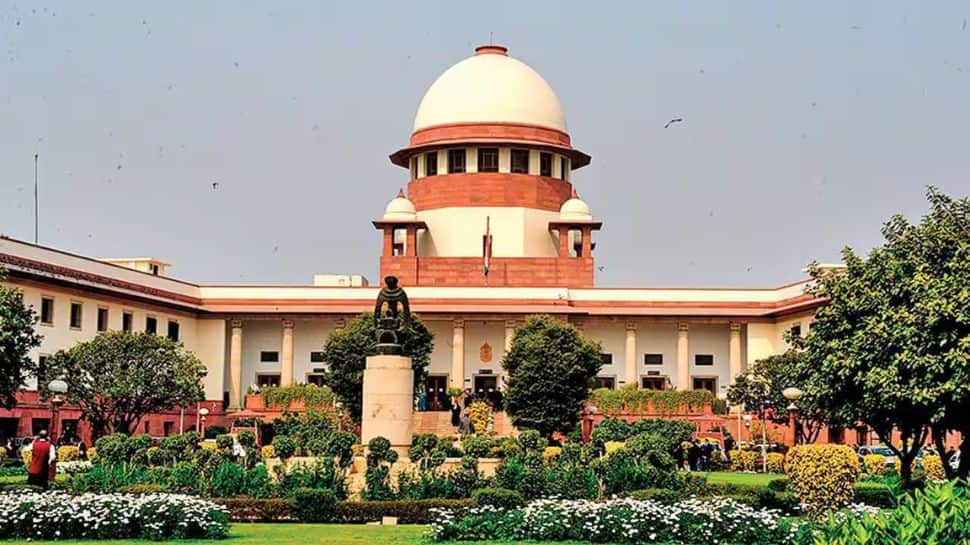
The Supreme Court on Monday stayed the conviction of former Maharashtra agriculture minister and Nationalist Congress Party (NCP–Ajit Pawar faction) MLA Manikrao Kokate in a document-tampering case related to the illegal acquisition of a government flat, granting him temporary relief from disqualification as an MLA.
“Issue notice. Meanwhile, the conviction of the petitioner shall remain stayed to the extent that there shall be no disqualification as an MLA,” the Court observed, ANI reported.
The order comes a week after the Bombay High Court suspended the two-year sentence imposed by a Nashik Magistrate court but declined to stay Kokate’s conviction, which had made him liable for disqualification as an MLA.
The Supreme Court bench also issued notice to the Maharashtra government, seeking its response to Kokate’s plea challenging his conviction and the sentence awarded by a Nashik court in February this year.
Why was the case filed?
Kokate has been booked for allegedly misusing a government housing scheme that was in force between 1989 and 1992 and was meant for economically weaker sections. The scheme applied only to individuals with an annual income of up to Rs 30,000. It is alleged that Kokate and his brother Vijay submitted false affidavits understating their income to qualify for the scheme and were illegally allotted two government flats.
A sessions court in Nashik recently upheld Kokate’s conviction. Subsequently, the Bombay High Court, while hearing his appeal, also rejected his plea challenging the conviction.
Following these setbacks, the senior leader approached the Supreme Court against his conviction and sentence. At the initial hearing, the top court granted him limited relief by protecting him from disqualification as an elected MLA.
Under the Representation of the People Act, a legislator stands disqualified if convicted and sentenced to imprisonment for not less than two years. The only remedy in such cases is a stay on the conviction, which nullifies its immediate consequences, including disqualification. After the High Court refused to stay the conviction, Kokate faced imminent disqualification. Had the Supreme Court not intervened, the Speaker of the legislative assembly would have been required to initiate proceedings to disqualify him.
About the Author