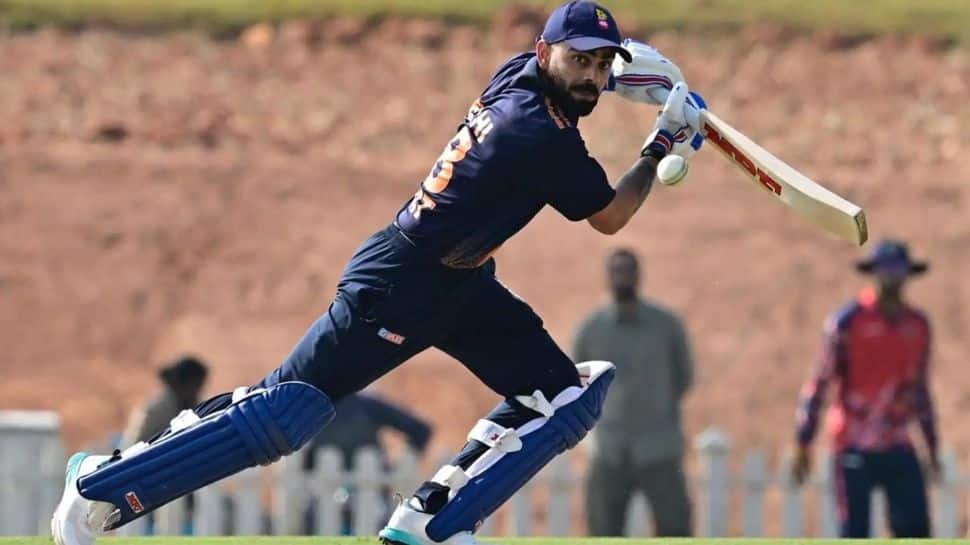
Virat Kohli’s much-anticipated return to domestic cricket was meant to be a homecoming at Bengaluru’s iconic M Chinnaswamy Stadium. Instead, it unfolded quietly at the BCCI’s Centre of Excellence, away from crowds, noise, and nostalgia. The shift sparked questions, disappointment among fans, and widespread debate. The reasons, however, point to a larger story of safety, governance, and transition in Indian cricket infrastructure.
A comeback Bengaluru was waiting for
For fans in Bengaluru, Kohli’s Vijay Hazare Trophy appearance carried emotional weight. It was not just about runs or records. It symbolised cricket’s return to Chinnaswamy after months of uncertainty following the tragic June 4 stampede outside the stadium during IPL victory celebrations. Early schedules listed Chinnaswamy as the venue for Delhi’s group fixtures, raising hopes of packed stands and a fitting domestic comeback.
Those hopes faded quietly. Delhi’s opening match against Andhra Pradesh was relocated to the Centre of Excellence on the city’s outskirts and played behind closed doors, with no live broadcast to soften the blow for fans nationwide.
Why permission for Chinnaswamy was denied
The decisive factor behind the venue change was the Karnataka government’s refusal to grant permission for matches at Chinnaswamy Stadium. Following the stampede that claimed multiple lives, a government-appointed inspection committee conducted a detailed assessment of the venue’s safety and infrastructure.
The findings were damning. Several key recommendations related to crowd management had not been implemented. These included inadequate entry and exit gates, lack of structured queuing zones, insufficient evacuation plans, parking issues, and poor pedestrian flow management. With these lapses unresolved, authorities deemed the stadium unfit for hosting matches, even without spectators.
Given the presence of high-profile players like Virat Kohli and Rishabh Pant, officials were wary of spontaneous crowd gatherings outside the venue, especially during the festive season. The Home Ministry, acting on the committee’s report, denied clearance.
Why the Centre of Excellence became the fallback
With Chinnaswamy ruled out, the Karnataka State Cricket Association was directed to move all Bengaluru-based Vijay Hazare Trophy matches to the BCCI Centre of Excellence near Kempegowda International Airport. The decision was rooted in practicality rather than optics.
The CoE has recently hosted Duleep Trophy and India A matches under controlled conditions. Its limited access points, modern facilities, and tighter security protocols made it a low-risk alternative. Authorities viewed it as a temporary solution while Chinnaswamy undergoes structural upgrades and compliance checks recommended by the Justice John Michael Cunha Commission.
Kohli’s bat silences the noise
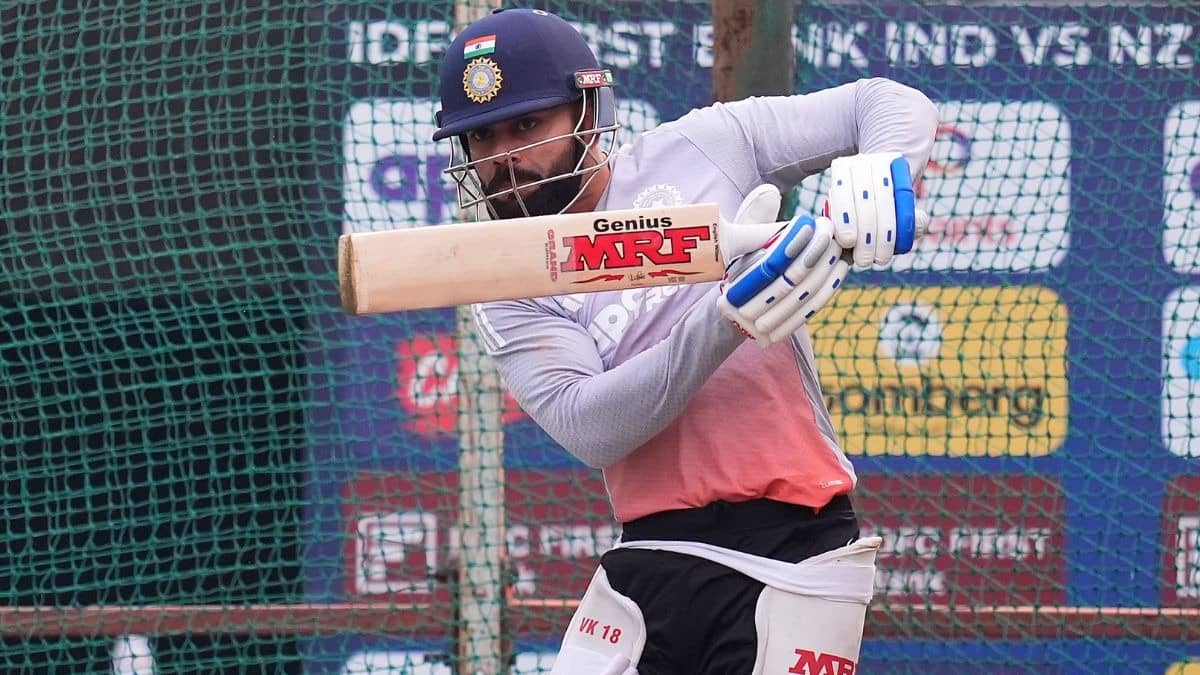
Away from the controversy, Kohli ensured the cricketing narrative remained dominant. Chasing 299 against Andhra Pradesh, he delivered a masterclass in one-day batting, scoring 131 off 101 balls. His fifty came in just 39 deliveries, while the hundred followed in 83, reaffirming why the 50-over format remains his comfort zone.
Delhi cruised to 300 for 6 in under 38 overs, rendering Ricky Bhui’s century a footnote. The absence of a roaring crowd was the only missing element in an innings that reminded everyone of Kohli’s enduring class.
About the Author