The 2025–26 Vijay Hazare Trophy began with a jaw-dropping spectacle that rewrote Indian domestic cricket history. A staggering 22 centuries in a single day turned the opening round into a batting carnival, triggering a serious debate across the cricketing ecosystem. Was this a case of domestic bowling losing its edge, or did fans witness one of the greatest collective displays of white-ball batting talent India has ever produced? As scorecards overflowed and records tumbled across venues, the truth lay somewhere in between.
Also Read: Rs 6,728 Crore Surplus, Rs 1,500 Crore Interest Income: 10 Numbers That Explain BCCI’s Financial Dominance
A Day When Batters Took Complete Control
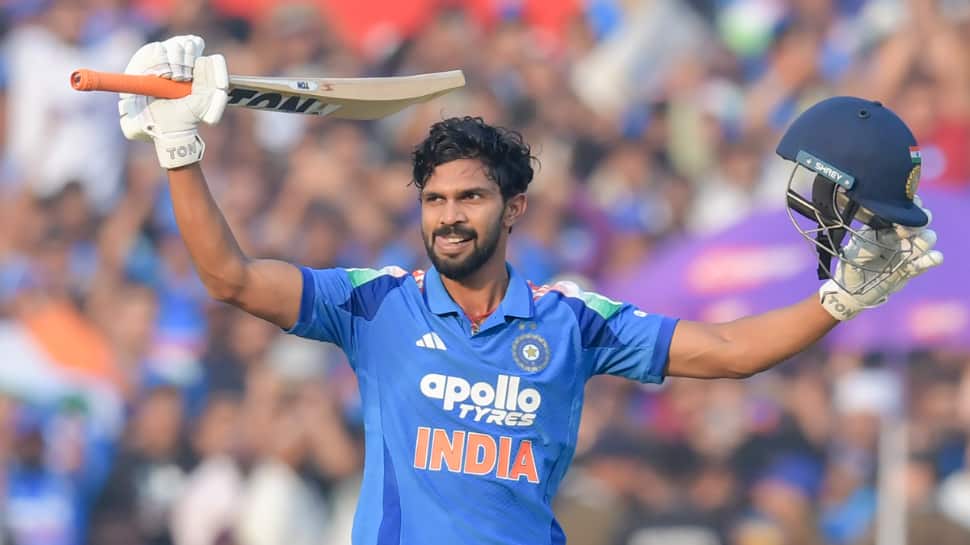
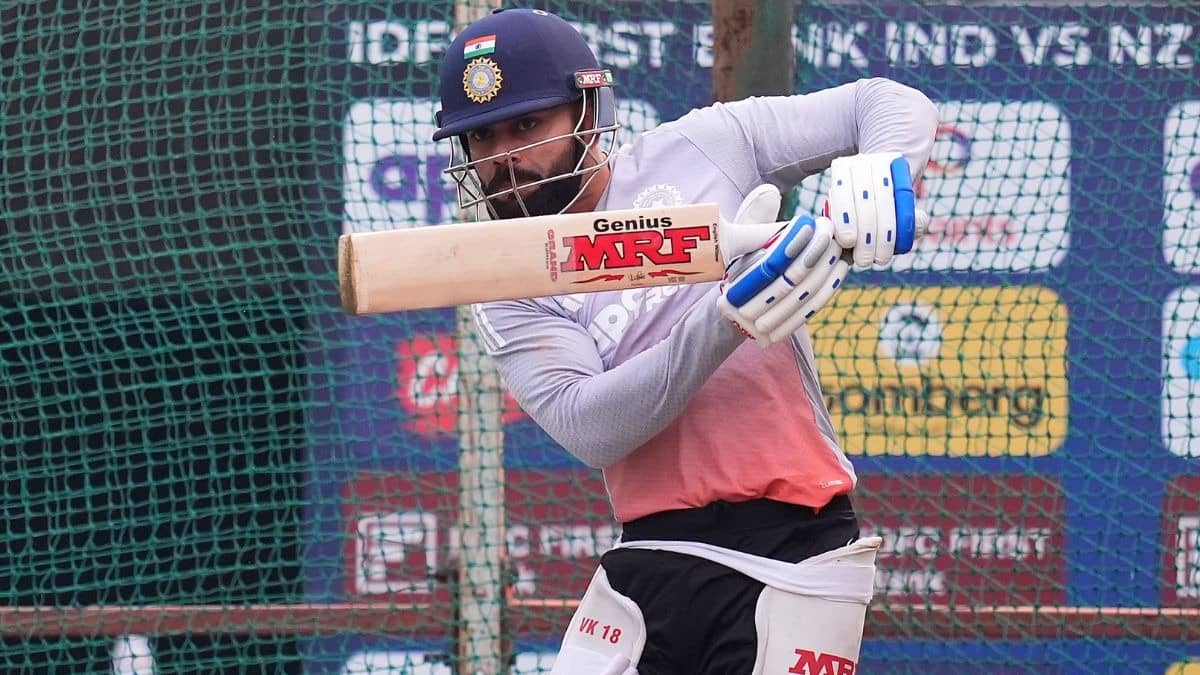
From established superstars to teenage prodigies, batters ruled every corner of the tournament on Day 1. The return of Rohit Sharma and Virat Kohli to the domestic circuit instantly raised the stakes. Rohit’s breathtaking 155 not out off 94 balls for Mumbai was vintage Hitman, built on effortless timing and brutal acceleration. Kohli, equally authoritative, struck 131 off 101 balls for Delhi, completing 16,000 List A runs and reminding everyone why he remains the benchmark in ODI batting.
Yet, the day truly belonged to the new generation. Vaibhav Suryavanshi, just 14 years old, produced a knock that stunned the cricket world. His 190 off 84 balls against Arunachal Pradesh made him the youngest List A centurion ever and included one of the fastest hundreds by an Indian. Alongside him, Sakibul Gani’s 32-ball century, the fastest in Indian List A history, pushed the boundaries of what seemed possible in 50-over cricket.
Plate Group Mismatches Expose the Bowling Gap
While the batting brilliance was undeniable, the Plate Group clashes exposed a clear imbalance. The Bihar vs Arunachal Pradesh game became the epicenter of the run explosion, as Bihar piled up 574 for 6, the highest team total in List A history. Arunachal Pradesh’s bowlers struggled for control, with one bowler conceding 116 runs in just nine overs, highlighting the gulf between elite domestic sides and developing teams.
These mismatches inevitably inflated numbers. Lesser experience, limited exposure to high-pressure situations, and the inability to execute defensive bowling plans allowed batters to attack without restraint. It raised uncomfortable but necessary questions about tournament structure and competitive balance.
Pitches, Conditions, and the Fearless Era
The run feast was not limited to one venue or one group. Across India, pitches appeared flat, true, and heavily tilted towards batters. Massive chases became routine rather than rare. Karnataka chased down 413 against Jharkhand, while Bengal overhauled 383 versus Vidarbha, underlining how conditions encouraged aggressive intent deep into the innings.
This also reflects a larger shift in Indian cricket. The influence of T20 leagues and modern ODI strategies has filtered into domestic tournaments. Players no longer build innings conservatively. Instead, they attack from ball one, back their range, and treat even 350-plus totals as chaseable.
Standout Performances Beyond the Headline Acts
Beyond the headline centuries, the depth of batting talent was on full display. Ishan Kishan smashed 125 off 39 balls for Jharkhand, Devdutt Padikkal’s elegant 147 anchored Karnataka’s historic chase, while Swastik Samal’s double century for Odisha added another chapter to Vijay Hazare folklore. Across groups, teams regularly crossed 300, and bowlers found themselves defending totals once considered impregnable.
Yet, there were reminders that bowling quality still matters. Spells like Simarjeet Singh’s five-wicket haul for Delhi and disciplined efforts from sides like Madhya Pradesh and Uttar Pradesh showed that skillful bowling can still tilt contests, even on batting-friendly days.
So, Poor Bowling or Exceptional Batting?
The answer is nuanced. The 22 centuries in a day were the product of exceptional batting depth, fearless intent, and favorable conditions, amplified by mismatches in the Plate Group. Rather than dismissing the feat as a failure of domestic bowling, it should be seen as evidence of India’s evolving white-ball ecosystem, where batters are better prepared, more inventive, and mentally primed to dominate.
However, it also serves as a wake-up call for domestic bowling development. Bridging the gap between elite and emerging teams will be crucial to maintaining competitive integrity and ensuring that future record days feel earned, not inevitable.
A Day That Will Be Remembered
The opening day of the Vijay Hazare Trophy 2025–26 was not just about numbers. It was about ambition, confidence, and the fearless spirit of modern Indian cricket. Whether history views it as a warning sign or a celebration of batting excellence, one thing is certain. Indian domestic cricket witnessed a once-in-a-generation run fest that will be talked about for years.
About the Author