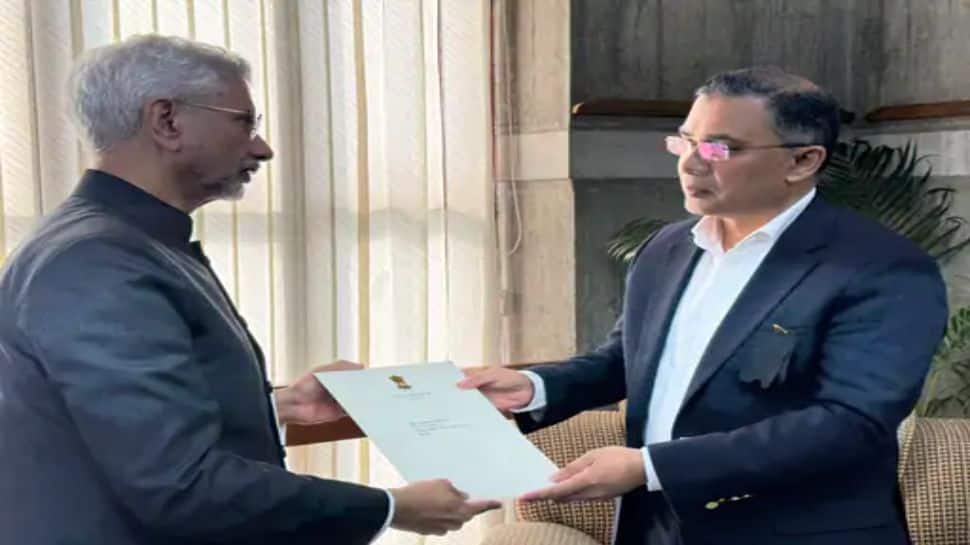
New Delhi: As Bangladesh prepares for national elections in February, India appears to be opening a new chapter with the Bangladesh Nationalist Party (BNP). This suggests a thaw in ties that have been strained for decades. Minister of External Affairs S. Jaishankar attended the funeral of Bangladesh’s former Prime Minister Khaleda Zia in Dhaka on December 30, where he met Tarique Rahman, her son and interim BNP chief.
The minister handed Rahman a letter from Prime Minister Narendra Modi expressing condolences and conveying confidence that Khaleda Zia’s vision could guide the future development of India-Bangladesh ties. This shows a departure from India’s long-standing skepticism toward the BNP.
Historically, New Delhi had been cautious about Khaleda Zia and her party because of the BNP’s past ties with the Jamaat-e-Islami and its perceived pro-Pakistan position. At the same time, India favoured her political rival, Sheikh Hasina, and her Awami League party.
Analysts say the political turmoil following the student-led unrest in Bangladesh in July 2024, which ended Hasina’s 15-year rule, has forced both sides to reconsider old positions.
With Hasina living in exile in New Delhi and banned from the upcoming elections, the BNP has moved to occupy the political space left vacant by her party. It has also distanced itself from the Jamaat-e-Islami, forming alliances with leaders from the 2024 student movement, which could make the party more acceptable to New Delhi.
Since returning from 17 years in exile, Rahman has emphasised inclusivity and the protection of minorities, showing a pragmatic approach that aligns more closely with India’s interests.
For India, the potential partnership with Rahman represents a cautious but strategic move. Experts say that India views the BNP as a more predictable partner compared with the student movement and Jamaat-led coalition, which are seen as threats to regional stability and Indian interests. Rahman’s public statements since his return suggest a measured approach toward improving ties with India.
The history between India and the BNP, however, is complex. During the BNP’s previous time in government, bilateral relations were strained over trade, border disputes, water sharing, migration and allegations of harbouring anti-India militants. Analysts describe decades of mutual mistrust, which India is now seeking to navigate carefully.
Rahman’s advisers indicate that the BNP is focussed on cooperation and regional stability, aiming to maintain Bangladesh’s independence in foreign policy and avoid being drawn into conflicts with neighbouring powers.
Analysts stress that India will need to carefully balance its interests in the region while fostering a constructive relationship with a new BNP-led government.
Observers say that the success of this diplomatic reset will depend on actions as much as words. The BNP has expressed interest in improving relations with India, but New Delhi must demonstrate that its approach represents a genuine break from the past to rebuild trust with the Bangladeshi people.
About the Author