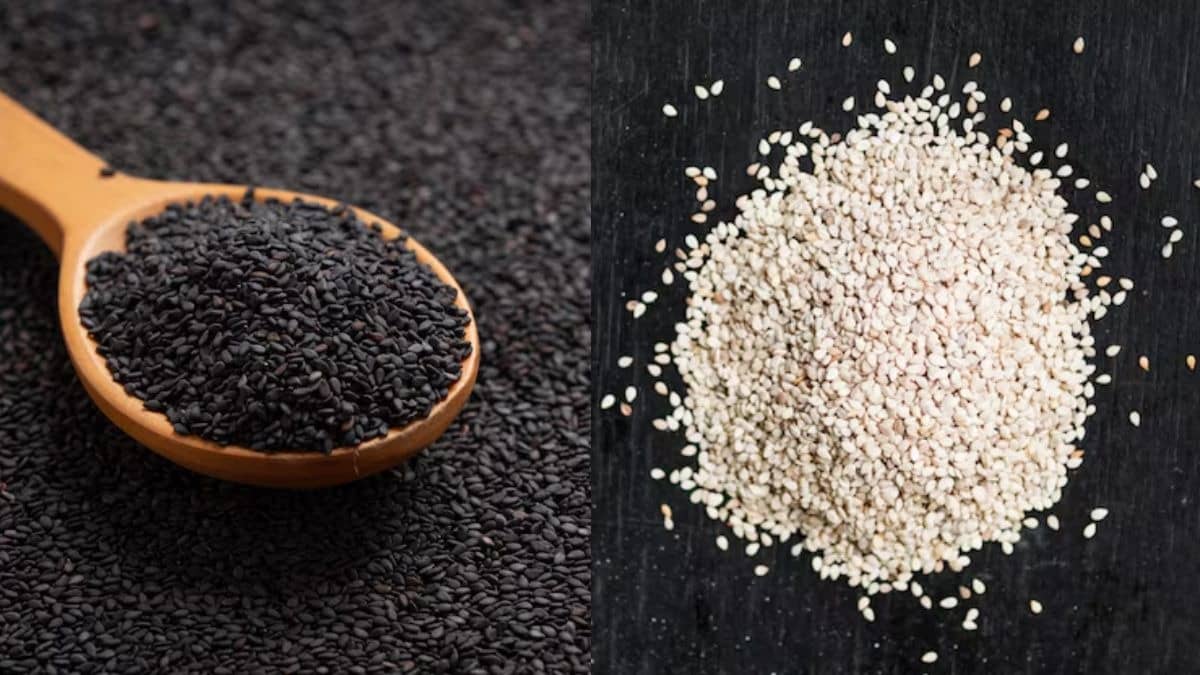
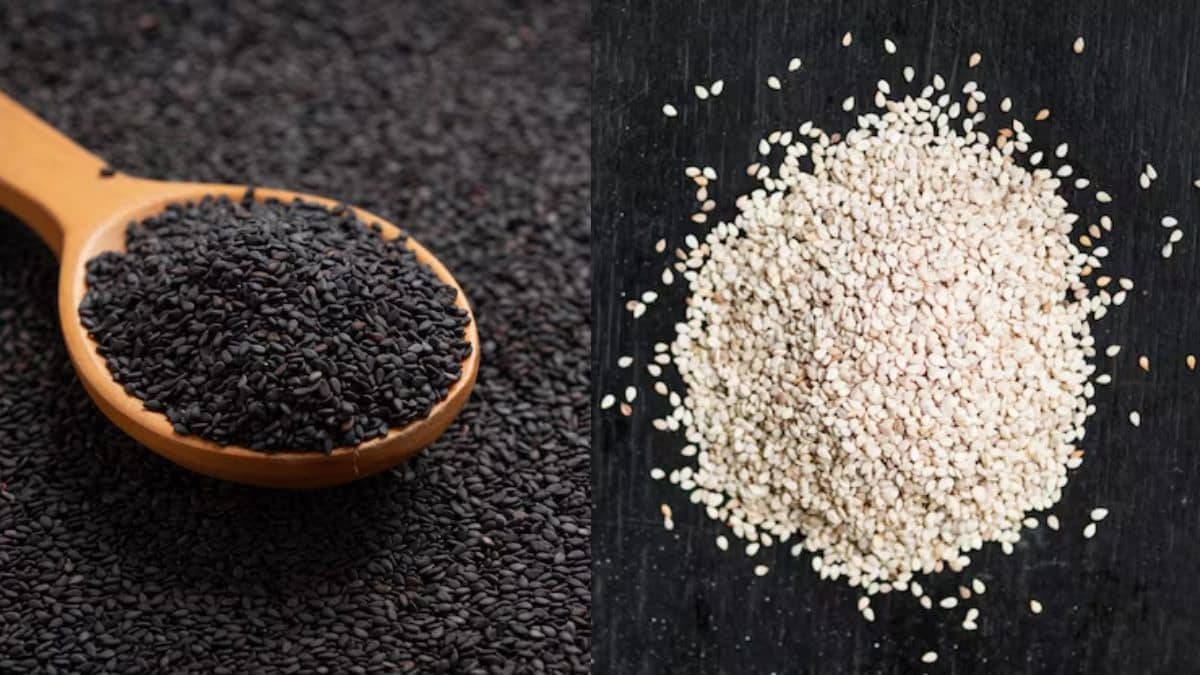
Black Vs White Sesame Seeds: As soon as the winter season arrives, the aroma of sesame starts in our kitchen. Be it the laddus of Makar Sankranti or the taste of gajak in the bitter cold, sesame seeds are an integral part of the Indian winter. But often this question arises in the minds of people that which is most beneficial in winter, black sesame or white sesame?
Black sesame is considered ‘unhulled’ i.e. peeled sesame. Therefore, they contain more calcium, fiber and antioxidants than white sesame seeds. The taste of white sesame is slightly sweet and nutty, while the taste of black sesame is slightly bitter and has an earthy aroma. According to Ayurveda, black sesame is considered more medicinal. It gives more warmth to the body.
Which is more beneficial in winter?
Both black sesame and white sesame are considered superfoods. But if you are suffering from joint pain or calcium deficiency, then black sesame is more beneficial. The amount of calcium in these is about 30-40% more than white sesame. Black sesame is high in fiber, which removes the problem of constipation in winter.
White sesame seeds contain good amounts of Vitamin B and zinc, which helps in bringing shine to the dry skin of winter and preventing hair fall. Black sesame seeds are high in antioxidants. Therefore, it also helps in fighting infections in winter.
About the Author