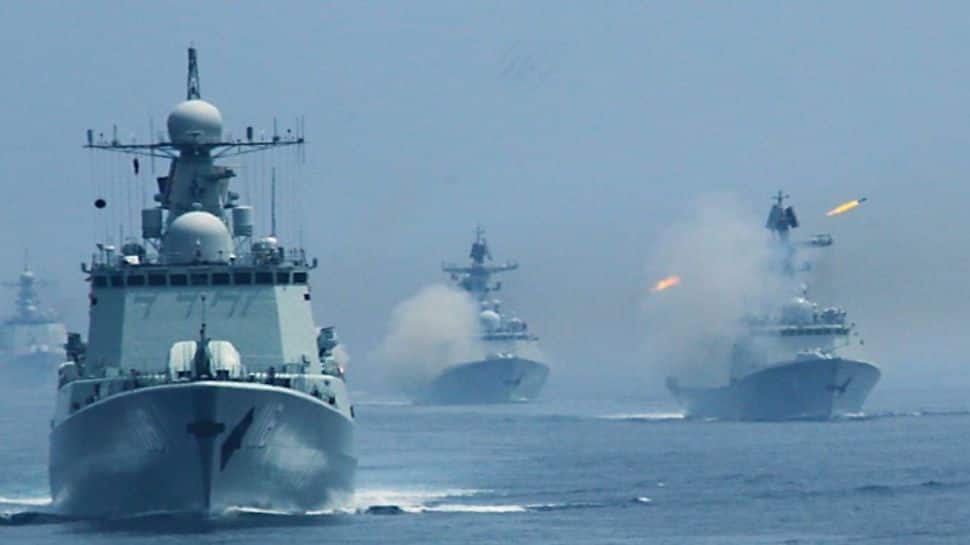
New Delhi: Off the coast of Durban last week, warships from Russia, China, Iran and South Africa sailed together in a high-profile Indian Ocean naval drill. All four are members of the BRICS. India, also a founding BRICS member, was missing from the formation.
New Delhi’s absence was not accidental. With Beijing in mind, India decided to stay out of the exercise, signalling that defence engagement with China are guarded despite recent diplomatic exchanges.
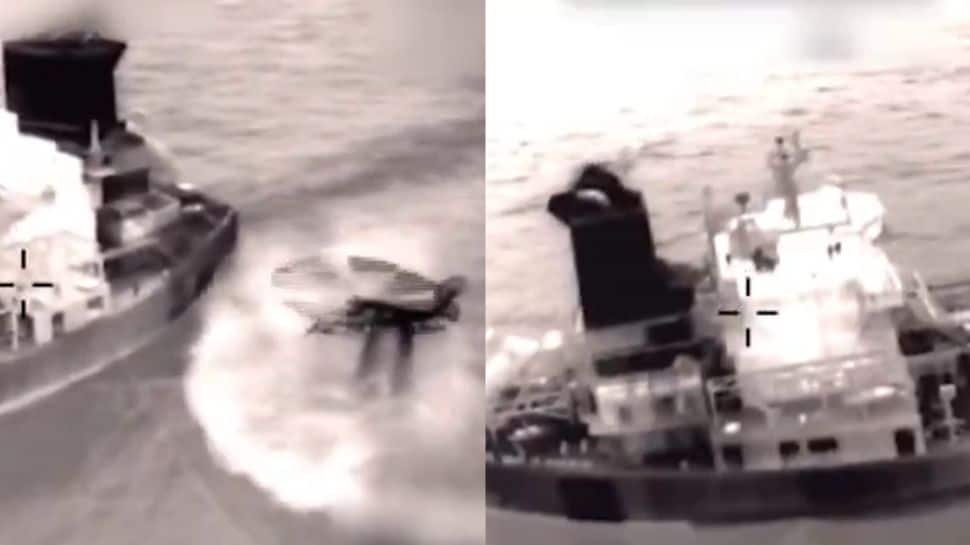
The drill itself was substantial in scale. It featured two Russian warships, three Chinese naval vessels, two Iranian frigates and three South African ships operating in the Indian Ocean as part of the 48th Anti Piracy Escort Task Force.
Russia deployed the 7,000-tonne Marshal Shaposhnikov, a destroyer-frigate, along with a tanker. China sent the 7,000-tonne Tangshan, a modern guided missile destroyer, the 4,000-tonne Daqing, a guided missile frigate and the supply ship Taihu.
Iran contributed two frigates, while South Africa fielded three vessels, including an offshore patrol ship.
India was formally invited, with South Africa acting as the lead nation for the exercise. Declining the invitation was described by highly placed sources as a “considered political decision”. The choice reflects New Delhi’s broader approach to China, where engagement continues in selected areas while military cooperation is tightly restricted.
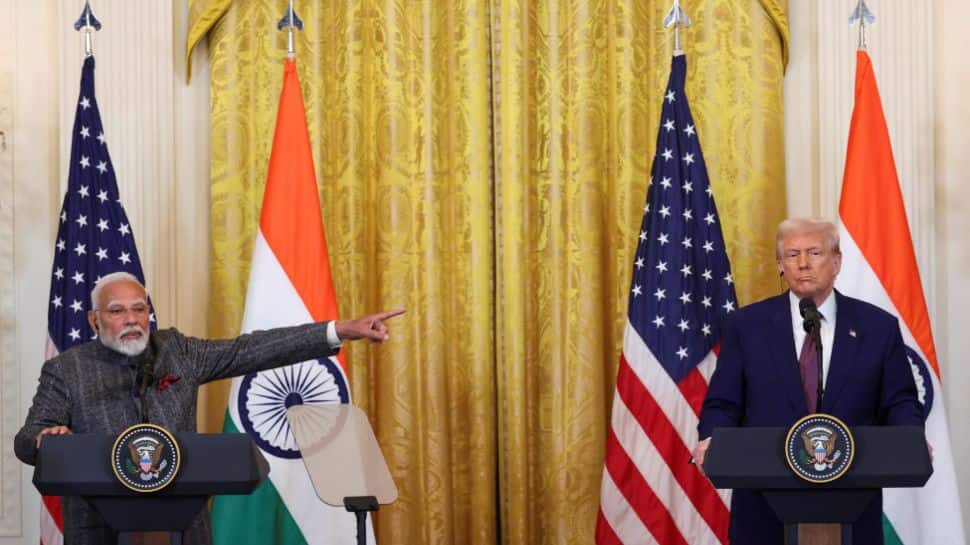
Relations between India and China have shown signs of improvement at the diplomatic level. Prime Minister Narendra Modi visited China in August-September this year for the Shanghai Cooperation Organisation summit, where he met Chinese President Xi Jinping and Russian President Vladimir Putin.
Cooperation has picked up in areas such as business and tourism, but defence ties are on a short leash.
Chinese officials have pushed for more naval visits and joint exercises, though India has shown little enthusiasm. Conditions along the Line of Actual Control have eased compared to earlier flashpoints, though troop positions have not returned to the pre-Galwan status that existed before the clashes of summer 2020.
Participation in such drills does offer operational benefits, including insights into the tactics and capabilities of other navies involved. Even so, New Delhi’s view is that deeper military engagement depends on a meaningful political breakthrough.
While India stayed out of the Durban exercise, its maritime profile continues to expand elsewhere. The Indian Navy is set to take charge of training facilities for the Bahrain-based Combined Maritime Force, a coalition of more than 40 countries that includes the United States, Britain, France, Germany, several Gulf nations, Pakistan and Turkey.
A key component is Combined Task Force 154, which is focussed on enhancing maritime skills. India will lead this training capsule for the first time, highlighting that its naval outreach is active, selective and carefully calibrated.
About the Author