Tehran: Iran has been rocked by a fresh wave of violent protests as public anger over a worsening economic crisis spills onto the streets, with at least 27 people reportedly killed in clashes with security forces, according to human rights groups.
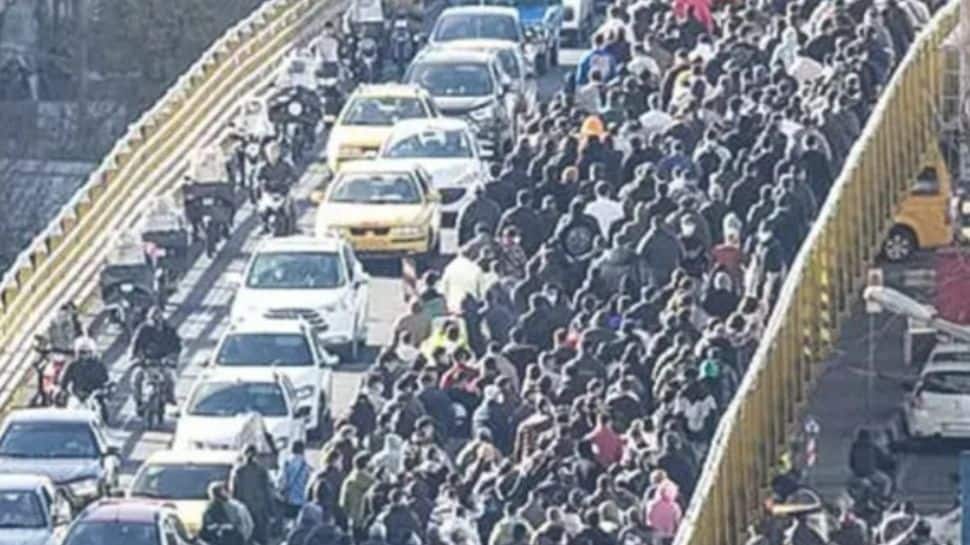
Demonstrations have spread across several parts of the country over the past few days, driven by rising living costs, unemployment, and mounting frustration over governance. One of the most intense flashpoints has been Abdanan, a city in the western province of Ilam, where large crowds gathered late Tuesday night.
Videos widely shared on social media showed thousands of residents pouring into the streets, including families with children and elderly citizens, chanting slogans as helicopters circled overhead. In several clips, protesters appeared to vastly outnumber the security forces deployed to contain the unrest.
Norway-based watchdog Iran Human Rights said security forces have killed at least 27 protesters so far, among them five minors under the age of 18. Iranian officials, meanwhile, have acknowledged fatalities on their side as well, confirming that at least one police officer was shot dead during the disturbances.
State-linked media outlets reported that three people were killed during clashes in recent days and said a police officer died after being shot during armed confrontations that erupted following funeral processions for protesters killed earlier in the unrest.
For the first time since the protests began, Iran’s Supreme Leader Ayatollah Ali Khamenei publicly addressed the situation, issuing a stern warning and saying those he referred to as “rioters” must be “put in their place.”
Tensions have remained high in surrounding neighbourhoods, where demonstrations initially broke out on December 28 after shopkeepers shut their businesses in protest. Similar scenes were reported in parts of Tehran on Tuesday, including the commercial district of Yaftabad, underscoring the depth of public anger over economic hardship and the government’s foreign policy priorities.
In Ilam city, the provincial capital, video footage showed security personnel entering Imam Khomeini Hospital, reportedly to identify and detain injured protesters receiving treatment. Rights group Amnesty International condemned the move, saying it violated international law and highlighted “how far Iranian authorities are willing to go to suppress dissent.”
As protests intensified, Iran’s exiled crown prince Reza Pahlavi issued his first direct appeal to the public. In a recorded message, he urged Iranians to chant slogans simultaneously from their homes or on the streets at 8 pm on Thursday and Friday, January 8 and 9, saying further steps would depend on public response.
Observers say the current unrest marks the most serious challenge to the Islamic Republic since the nationwide protests of 2022–2023, which erupted after the death of Mahsa Amini while in police custody following her arrest over alleged violations of Iran’s strict dress code for women.
With protests continuing and casualties mounting, the situation remains volatile, as authorities tighten security and demonstrators show little sign of backing down.
(With Inputs From IANS)
About the Author