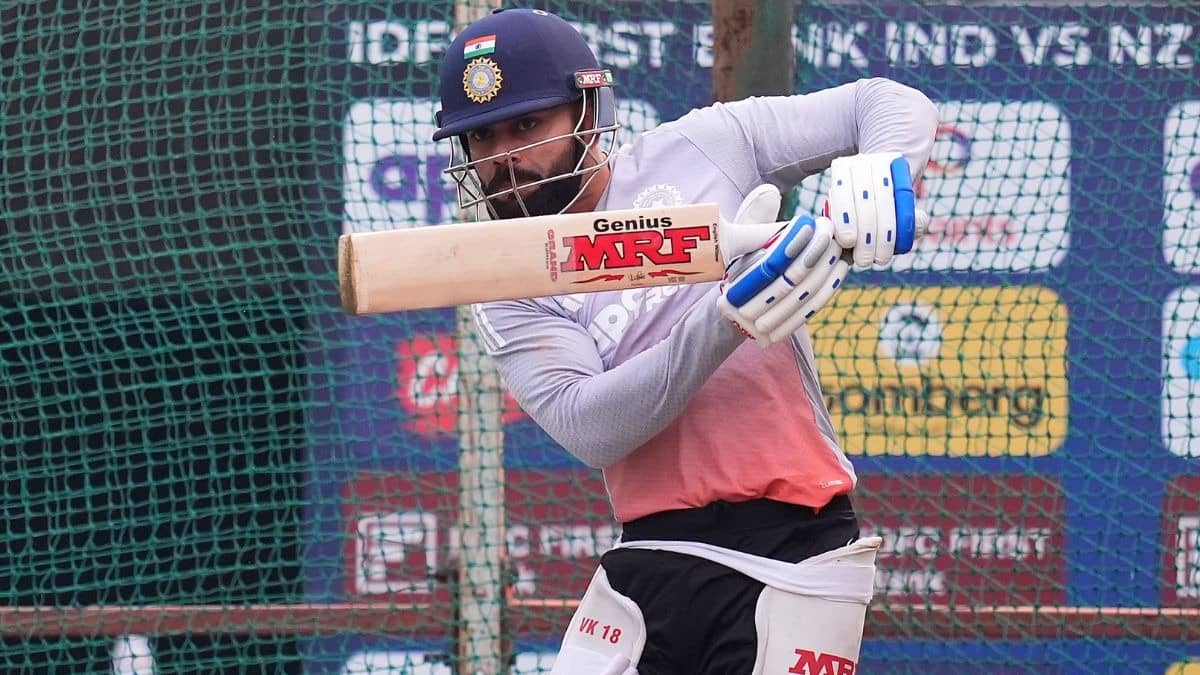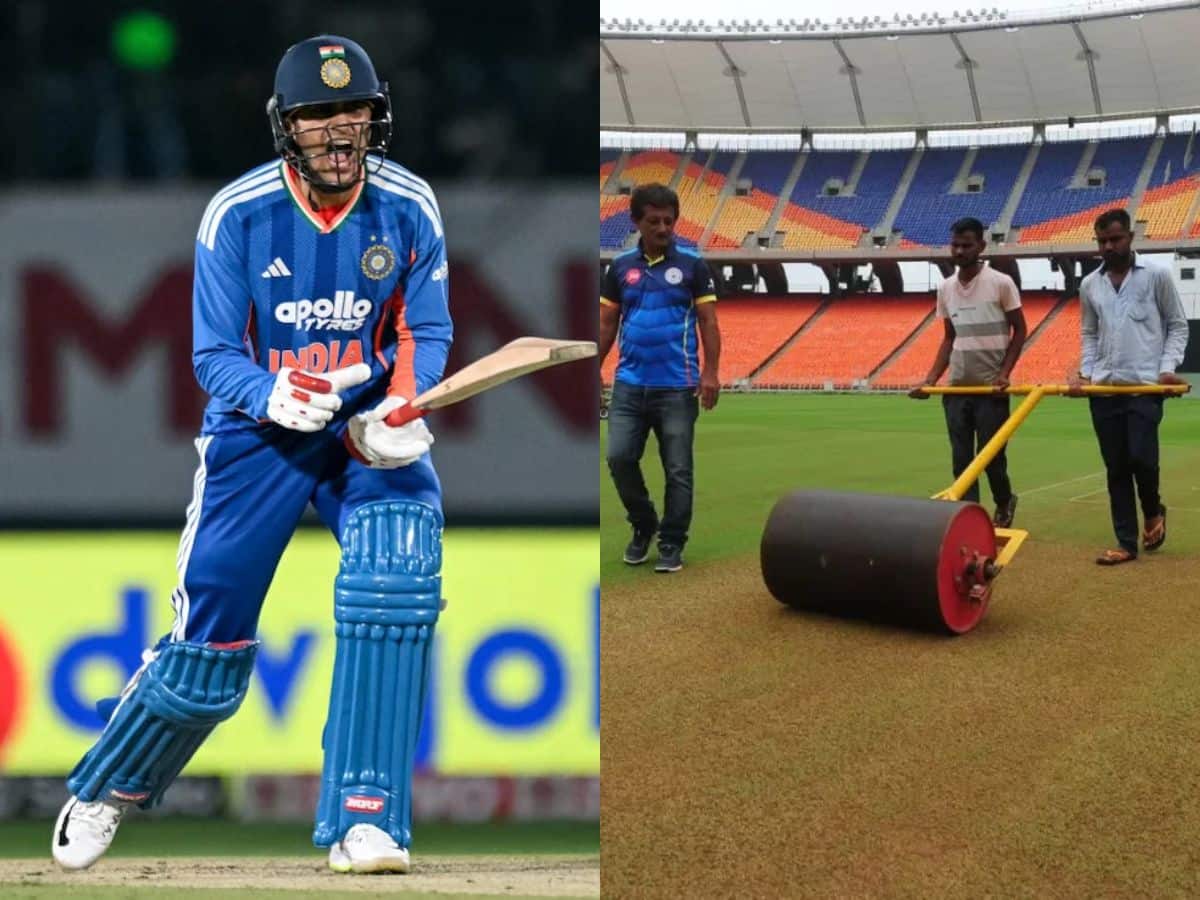
With the fourth T20I in Lucknow washed out due to dense fog, the spotlight firmly shifts to Ahmedabad for the fifth and final T20I between India and South Africa. While the series context adds intrigue, the biggest talking point remains the pitch at the Narendra Modi Stadium. Known for its scale, pace-friendly nature, and run-scoring potential, this surface is expected to play a decisive role in how the match unfolds.
Narendra Modi Stadium Pitch Report: A Batter’s Paradise with Pace Assistance
The pitch at the Narendra Modi Stadium has consistently delivered high-scoring T20 contests. Hard, well-rolled surfaces with even bounce allow batters to trust the bounce and play through the line. Stroke-making becomes easier once players get set, particularly during the Powerplay when the ball comes nicely onto the bat.
Fast bowlers do find assistance early on, especially with the new ball. Those who hit the deck hard and bowl at the right lengths can extract bounce, while seamers who mix cutters and slower balls tend to be effective in the middle overs. As the match progresses, the pitch slightly slows down, bringing variations into play rather than raw pace.
Spinners, however, generally play a containing role. While there is some grip available on black soil pitches, turn is minimal. Captains often use spinners to control run flow rather than aggressively hunt wickets.
Impact of Dew and Toss on Match Conditions
Dew is a significant factor in night matches at Ahmedabad. As temperatures drop in the evening, moisture settles on the surface, making it harder for bowlers to grip the ball. This often tilts the balance in favour of the chasing side, especially in T20Is where timing and stroke-play are crucial.
Toss decisions at this venue have historically carried weight. Teams winning the toss frequently prefer bowling first to take advantage of better bowling conditions early and easier batting later under lights.
Narendra Modi Stadium T20I Stats That Shape Expectations
The venue has hosted seven T20I matches so far, with teams batting first winning four and chasing sides winning three. Interestingly, every T20I at this ground has been won by the team that won the toss, underlining how crucial decision-making at the start can be.
The average first-innings score here stands at around 183, indicating a strong bias towards high-scoring encounters. Totals above 180 are competitive but rarely safe, while anything below 165 often leaves the defending side vulnerable.
Pacers dominate the wicket charts, accounting for over 75 percent of dismissals at this venue. This reinforces the importance of fast bowlers who can adapt quickly to conditions rather than rely purely on speed.
How the Pitch Could Influence IND vs SA 5th T20I
India’s familiarity with the Ahmedabad surface gives them a natural advantage. Their batting lineup is well suited to flat decks, and their fast bowlers understand how to exploit bounce and pace here. South Africa, though, possess a pace-heavy attack and explosive hitters who thrive on true batting wickets.
If the pitch plays true as expected, the match is likely to be decided by execution in key phases rather than drastic pitch behaviour. Powerplay runs, death-over efficiency, and handling dew will be more important than spin dominance or lateral movement.
About the Author