New Delhi: From heavy sanctions to direct military action, the United States’ pressure on Venezuela is reverberating far beyond Latin America. Instead of isolating Venezuela, U.S. actions may be pushing China and Russia closer. Both appear increasingly inclined to coordinate diplomatically and economically, using Caracas as a common front against U.S. pressure.
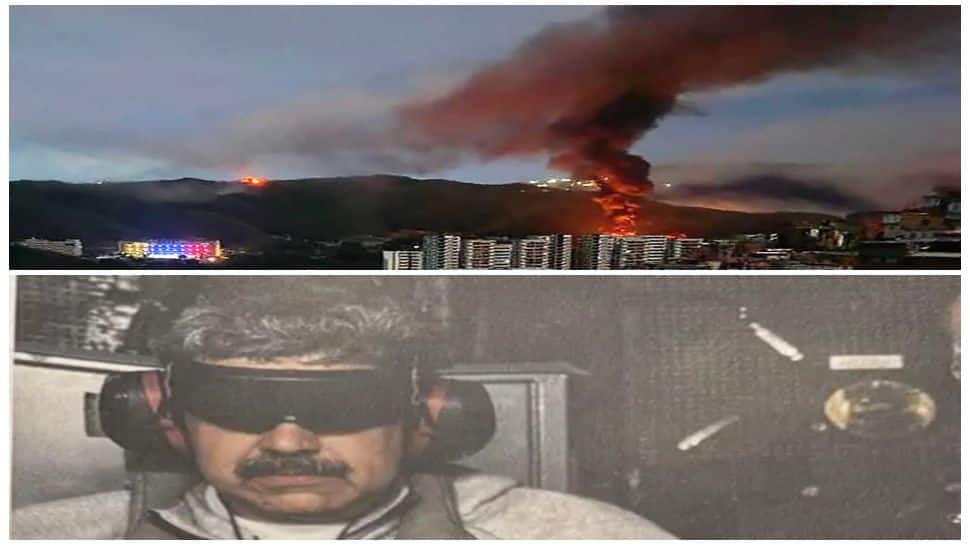
Tensions erupted in the wee hours of January 4 when U.S. forces launched military strikes in Venezuela and captured President Nicolás Maduro. This dramatically escalated a standoff that had already seen increased U.S. military deployments off the Venezuelan coast.
Washington justified its action as targeting “narco-terrorist” networks, but critics, including legal experts and the United Nations, warn the operation may violate international law and set a dangerous precedent for unilateral use of force.
There has been mixed global reactions. Among the most vocal condemnations came from China and Russia, both accusing the United States of violating Venezuela’s sovereignty and threatening regional peace. Beijing called the action a breach of international law, while Moscow reiterated full support for Caracas as it faces what both see as unwarranted aggression from Washington.
Russia Declares Support
In response to US pressure, Russia has pledged steadfast backing for Venezuela. Moscow’s foreign ministry has expressed “full support” for the Maduro government during U.S. naval blockades and the stopping of oil tankers linked to Caracas. It said Venezuela’s sovereignty must be respected and warned against outside interference.
These statements also tip toward coordinated action on the international stage, particularly at forums like the United Nations, showing an effort by Russia and its partners to counterbalance U.S. narratives and influence.
This stance is based on Moscow’s long-standing strategic relationship with Caracas. Beyond diplomatic declarations, Russia’s engagement includes decades of military sales, energy cooperation and credit arrangements that have bolstered the Venezuelan economy even as sanctions bite.
China’s Strategic Economic Role
China’s approach to Venezuela has focussed more on money and trade than on military support, but it has been as important for the government in Caracas. Beijing has given Venezuela tens of billions of dollars through oil-for-loan deals, helping it survive despite U.S. sanctions.
Chinese firms have also invested heavily in Venezuelan infrastructure, telecommunications and energy sectors, embedding Beijing into the country’s economic fabric.
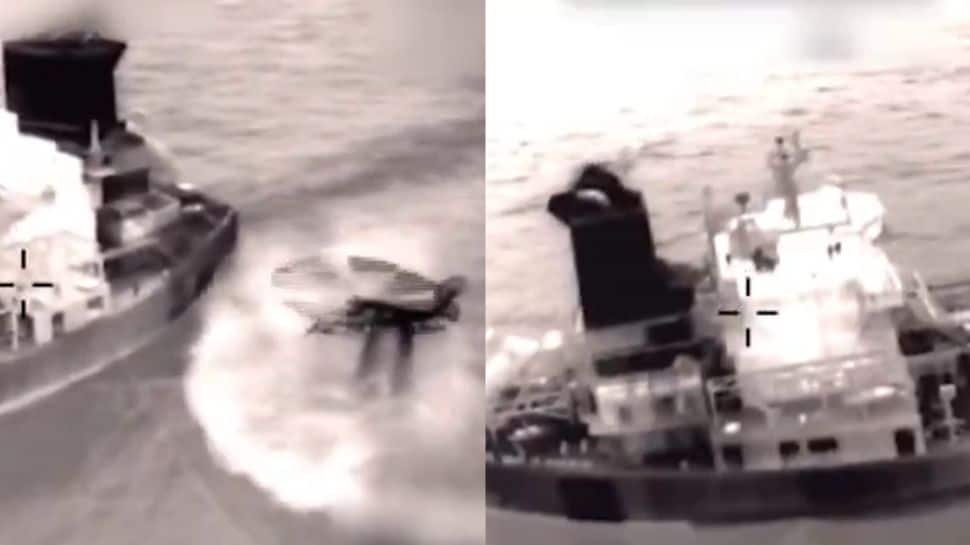
In late 2025, the Chinese government strongly condemned U.S. seizures and blockades of oil tankers linked to Venezuelan exports, denouncing what it called “unilateral and illegal” actions by the United States. While Beijing has so far stopped short of promising formal military assistance, its diplomatic support in international settings reinforces Venezuela’s narrative of resisting Western coercion.
Pressure As A Catalyst For Coordination
Aiming to strangle Venezuelan oil exports and punish Maduro’s government, U.S. sanctions have unintentionally fostered closer ties among countries targeted by these measures. Previous analyses of sanctions regimes suggest that when multiple states find themselves under pressure from Washington, they often strengthen economic ties and create mechanisms to evade penalties and strengthen mutual cooperation.
One expert panel even warned that sanctions risks pushing targets toward forming their own economic and financial networks.
In Venezuela’s case, Russia and China may benefit from working together at the United Nations in oil and financial deals and in their political messaging. This coordination helps them push back against U.S. dominance and promote their own view of how the world should be run.
This dynamic mirrors broader patterns in global geopolitics where U.S. pressure on one front can inadvertently tighten the bonds among Washington’s rivals.
Implications For Global Geopolitics
The Venezuela crisis is no longer a regional issue and is creating wider geopolitical challenges. China and Russia are increasingly criticising U.S. actions together, calling them threats to sovereignty and international norms and coordinating their positions at forums like the United Nations to counter Washington’s narrative.
At the same time, Venezuela’s reliance on Chinese loans and Russian investment gives both countries strong economic reasons to resist U.S. policies and possibly work together to protect their shared interests. By openly backing Caracas, Beijing and Moscow are also sending a message to the Global South that alternatives to U.S.-led political and economic systems exist, a signal that could resonate far beyond Latin America.
A New Axis Of Strategic Convenience?
What began as U.S. pressure on a single state may be nudging two major powers into closer strategic alignment, at least for now. Russia’s political and military backing wrapped together with China’s economic lifeline to Caracas forms a composite response to U.S. actions in Venezuela.
It is still unclear whether this cooperation will turn into a long-term alliance or stay a short-term arrangement. What is clear is that pressure from a powerful country can sometimes push others closer together instead of keeping them apart.
About the Author