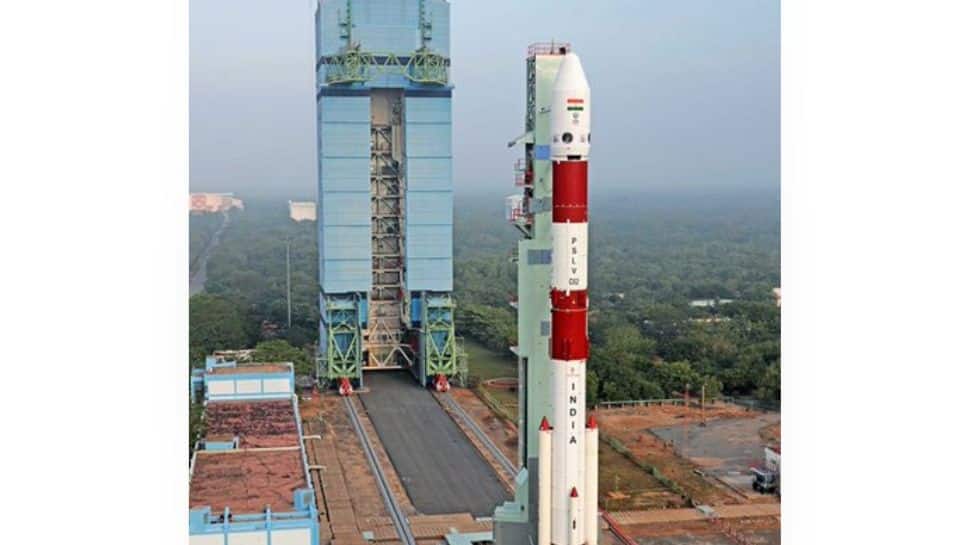
The Indian Space Research Organisation (ISRO) is set to launch its PSLV-C62 mission on January 12, 2026. The launch is scheduled for 10:17 am IST from the First Launch Pad at the Satish Dhawan Space Centre (SDSC) in Sriharikota, Andhra Pradesh. ISRO confirmed the launch details in a post shared on X.
This mission will add to ISRO’s busy launch schedule at the start of the new year and reflects the space agency’s continued focus on regular and reliable launch operations.
Public can witness the launch from Launch View Gallery at SDSC SHAR, Sriharikota by registering through online from the following link…
ISRO (isro) January 6, 2026
Earlier, on December 24, ISRO successfully launched the BlueBird Block-2 communication satellite for US-based AST SpaceMobile. The mission lifted off at 8:55 am IST from the same spaceport in Sriharikota and was declared a success after the satellite was placed into its intended orbit.
BlueBird Block-2 Satellite
The BlueBird Block-2 satellite is designed to provide high-speed cellular broadband directly to smartphones worldwide. It ranks among the largest commercial communication satellites ever deployed in Low Earth Orbit.
LVM3-M6 Mission Highlights
The BlueBird Block-2 satellite launched aboard the LVM3 rocket as part of the LVM3-M6 mission. ISRO stated that this was a dedicated commercial mission and marked the sixth operational flight of the LVM3 launch vehicle. The satellite holds the record as the heaviest payload launched into Low Earth Orbit by the LVM3 rocket from Indian soil.
(Also Read: ‘India Has Strong Ties With Venezuela, Concerned About Recent Developments’: S Jaishankar)
LVM3 Launch Vehicle
The LVM3 is ISRO’s heavy-lift launch vehicle. It is a three-stage rocket comprising two solid strap-on motors (S200), a liquid core stage (L110), and a cryogenic upper stage (C25).
The rocket has a lift-off mass of about 640 tonnes and stands 43.5 metres tall. It can carry payloads of up to 4,200 kg to Geosynchronous Transfer Orbit.
With upcoming missions like PSLV-C62, ISRO continues to strengthen its role in both national and commercial space launches.
(With ANI inputs).
About the Author