Iran is facing pressure on two fronts. On one hand, it is challenging the United States through shows of strength with allied countries. On the other, it is preparing to deal with a massive internal uprising.
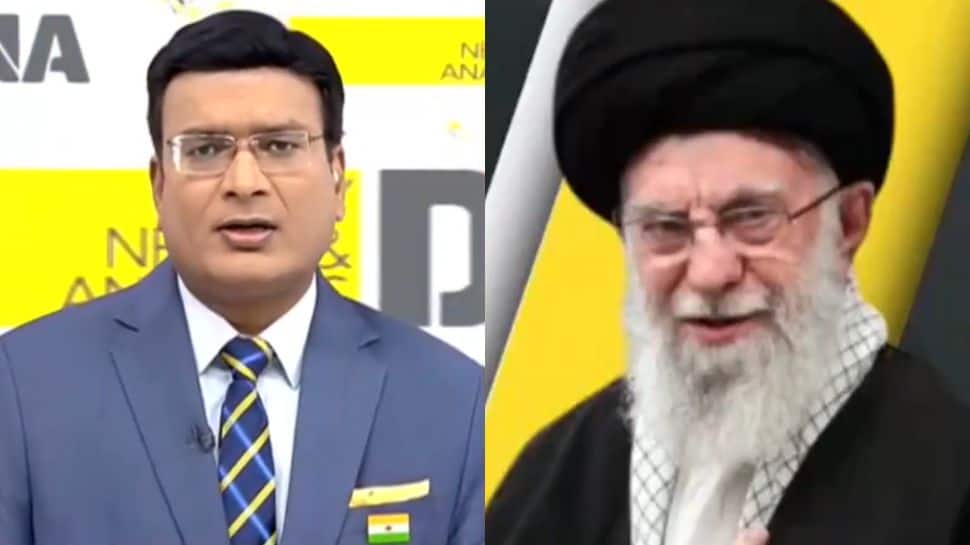
Troubled by what is being described as the biggest rebellion in the country’s history, the ruling establishment is using a mix of persuasion, division, punishment, and now financial incentives to silence public anger. In today’s DNA episode, Rahul Sinha, Managing Editor of Zee News, analysed the
Watch DNA Episode Here:
#DNAFriends Trump Supporters Vs Khalifa Supporters…’Street War’, Analysis of Khalifa’s ‘Last Attempt’
Will the Caliphate’s ‘Sultanate’ be saved by ‘7 dollars’?#DNA #DNAWithRahulSinha #Iran #UnitedStates @RahulSinhaTV pic.twitter.com/odKjmzMMDp— Zee News (@ZeeNews) January 6, 2026
Attempts at negotiation have failed, efforts to divide protesters have not worked, and despite strict punishment, people have not backed down. With protests continuing, the Iranian leadership has now turned to offering money in an attempt to calm the unrest.
Protests In Iran
Protests in Iran entered their tenth consecutive day, spreading rapidly across the country. Demonstrations are now taking place in 26 of Iran’s 31 provinces against the Islamic establishment. At least 35 people have been killed so far, including four children. Security forces have detained more than 1,200 people, yet crowds continue to gather on the streets.
Public anger has also targeted the Islamic Revolutionary Guard Corps (IRGC), with protesters attacking several IRGC camps. Demonstrators are raising slogans against Supreme Leader Ayatollah Ali Khamenei and are also demanding the return of Iran’s exiled crown prince, Reza Pahlavi.
Khamenei’s Reaction To Protests In Iran
Khamenei has labeled the protesters as rioters and ordered strict action against them. As a result, incidents of firing on protesters have increased over the past two days.
In the city of Qom, security forces reportedly entered hospitals to arrest injured protesters, leading to clashes in which tear gas was used and shots were fired.
What Is Iranian Govt’s Plan?
Amid this situation, the Iranian government has announced an economic relief plan. Under the decision, every citizen will be given 1 million tomans, or 10 million rials, for the next four months. Around 80 million people are expected to receive this amount.
The government said that the $10 billion previously spent annually on import subsidies would now be transferred directly to citizens’ accounts.
However, in US currency, this amount equals only about $7, or roughly 630 Indian rupees.
The announcement has drawn attention because the same leadership that had ordered harsh action against protesters is now offering financial assistance. Fear of losing its 36-year-old rule appears to have pushed the government to open its treasury in hopes of calming the streets.
Due to the sharp fall in Iran’s currency, the money can buy very little—roughly 100 eggs or one kilogram of meat. Estimates suggest that an average Iranian needs at least $200 per month to meet basic living expenses, far more than the $7 being offered.
Despite this, Khamenei is reportedly hoping that distributing cash will reduce public anger. The government has also removed the central bank governor and made changes to currency exchange policies ahead of the package announcement.
International reactions have added to Tehran’s concerns. US President Donald Trump and Israeli Prime Minister Benjamin Netanyahu have both expressed solidarity with the Iranian people.
About the Author