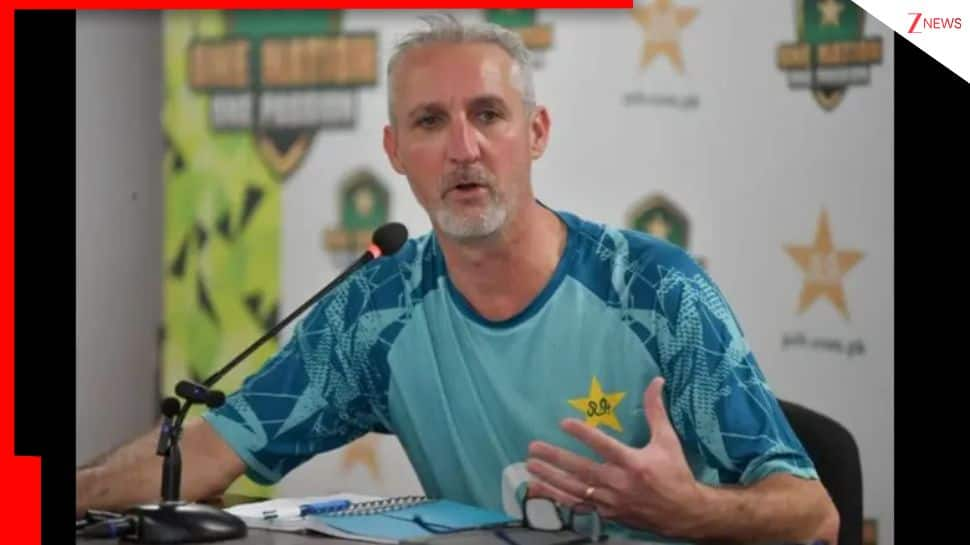
Former Australia fast bowler Jason Gillespie has finally broken his silence on one of Pakistan cricket’s most talked-about coaching exits, revealing that humiliation, poor communication, and administrative chaos forced him to quit as Pakistan’s Test coach after just eight months. His candid remarks matter because they once again raise serious questions about governance within the Pakistan Cricket Board and its ability to sustain long-term coaching stability.
Gillespie’s Explosive Revelation on PCB Tenure
Gillespie, appointed Pakistan’s men’s Test coach in April 2024, stepped down later that year following the Test series in South Africa. During a Q&A session on X, the former Ashes hero opened up about the events that led to his resignation, describing the experience as deeply frustrating and professionally disrespectful.
According to Gillespie, the tipping point came when the PCB removed senior assistant coach Tim Nielsen without any prior communication. For a head coach tasked with rebuilding Pakistan’s red-ball structure, the decision was not just surprising but humiliating.
“I was coaching the Pakistan Test side. The PCB sacked our senior assistant coach with zero communication with me,” Gillespie wrote. “As head coach, I found this situation completely unacceptable.”
A Familiar Pattern in Pakistan Cricket
Gillespie’s comments have struck a chord because they reflect a recurring theme in Pakistan cricket. Over the past decade, several high-profile foreign coaches have exited amid similar complaints, ranging from lack of authority to interference in selection and staffing.
From Mickey Arthur to Misbah-ul-Haq, the PCB’s revolving-door approach has often undermined continuity. Gillespie’s experience adds another chapter to that history, reinforcing the perception that systemic issues remain unresolved.
Mixed Results on the Field
On-field performances under Gillespie were a mixed bag. Pakistan endured a shock 2-0 home Test series defeat to Bangladesh in September 2024, a result that exposed batting fragility and poor execution under pressure.
However, the team showed resilience a month later. Pakistan scripted a memorable 2-1 home series victory against England, bouncing back after losing the opening Test. The turnaround on spin-friendly pitches was widely praised and seen as a glimpse of what Gillespie’s methods could deliver with time.
Despite that success, tensions behind the scenes continued to grow.
Selection Authority and Trust Deficit
Sources close to the setup indicated that disagreements over selection control and support staff decisions strained the relationship between Gillespie and the PCB. The lack of clarity over roles eroded trust, making it increasingly difficult for the former Australia pacer to operate effectively.
In elite international cricket, especially in the Test format, stability and alignment between coach and board are non-negotiable. Gillespie’s exit highlighted how quickly progress can unravel when those fundamentals are missing.
Gillespie’s India Coaching Snub Adds Context
Interestingly, Gillespie recently declined a suggestion to coach the Indian Test team, replying with a blunt “No thanks” on X. While brief, the response hinted at a coach unwilling to step into unstable environments again, even when linked to a high-profile job.
That stance adds further weight to his Pakistan revelations and underlines how administrative culture can influence coaching decisions at the highest level.\
About the Author