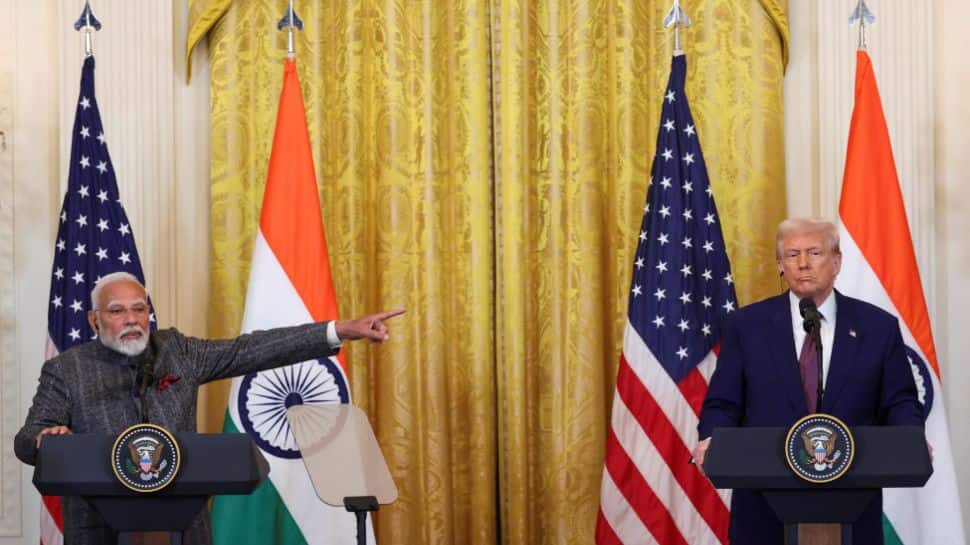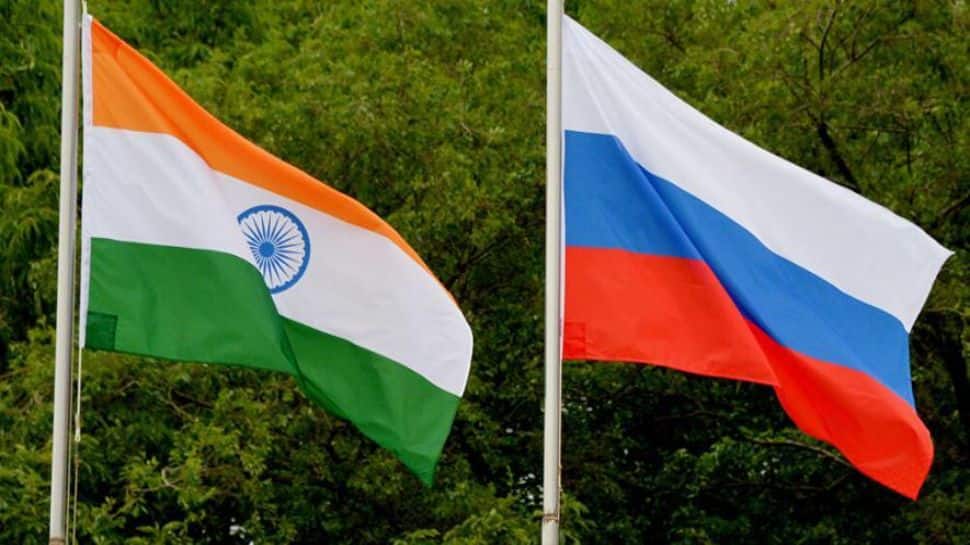
Russia-India Ties: Russian President Vladimir Putin is in India for the 23rd India-Russia Annual Summit, and all eyes are on the strategic and economic negotiations unfolding during his two-day visit, which will end on December 5. This meeting has drawn global attention, particularly from the United States, which is closely monitoring the interactions between Prime Minister Narendra Modi and Putin.
Analysts and business leaders expect several major agreements to be finalised during this summit. India and Russia already share a trade relationship, presently valued at $68 billion, covering sectors ranging from crude oil, fertilisers, minerals and precious stones to vegetable oils, defense products, machinery, pharmaceuticals, electronics and chemicals.
Over the past five years, this bilateral trade has more than quintupled, surging from $13 billion in 2021 to $68 billion in 2024-25. It is largely driven by rising imports of defense equipment, oil and fertilisers into India, along with increased pharmaceutical exports from India to Russia.
The history of India-Russia trade is far older than these modern numbers suggest. Commercial links between the two countries trace back to the 16th century, when Indian goods first reached Russian markets on a large scale.
During the 16th and 17th centuries, Russia imported primarily luxury items and spices from India. Among the earliest commodities to cross borders were black pepper, cardamom, cinnamon and other exotic spices. Indian textiles, including silk and cotton fabrics, were highly prized for their quality and luxury appeal. Precious stones, jewelry and indigo dye also found a ready market among Russian elites.
Historical records indicate that between 1550 and 1600, Russian merchants and envoys sought Indian goods from various regions of the subcontinent. At that time, India was ruled by kings and maharajas who oversaw rich production centres. Russia’s harsh climate made Indian spices highly valued for preserving and flavoring food over long winters.
Highly coveted in Russia and across Europe, Indian silks and cottons became symbols of wealth and sophistication. Trade was not one-sided. India, in turn, imported essential and luxury items from Russia.
Northern Russia’s furs, renowned for warmth and quality, were in high demand among Indian royalty and traders. In addition, early trade included Russian arms, metals, timber and amber, all of which contributed to a thriving exchange that laid the foundation for centuries of economic partnership.
From this historic beginning of spices, textiles and furs, India and Russia have evolved into strategic partners whose relationship now spans energy, defense and cutting-edge technology.
Today, the ties between the two nations are stronger than ever, reflecting a journey that began with an exchange of luxury goods and has grown into a multifaceted partnership worth billions of dollars.
About the Author