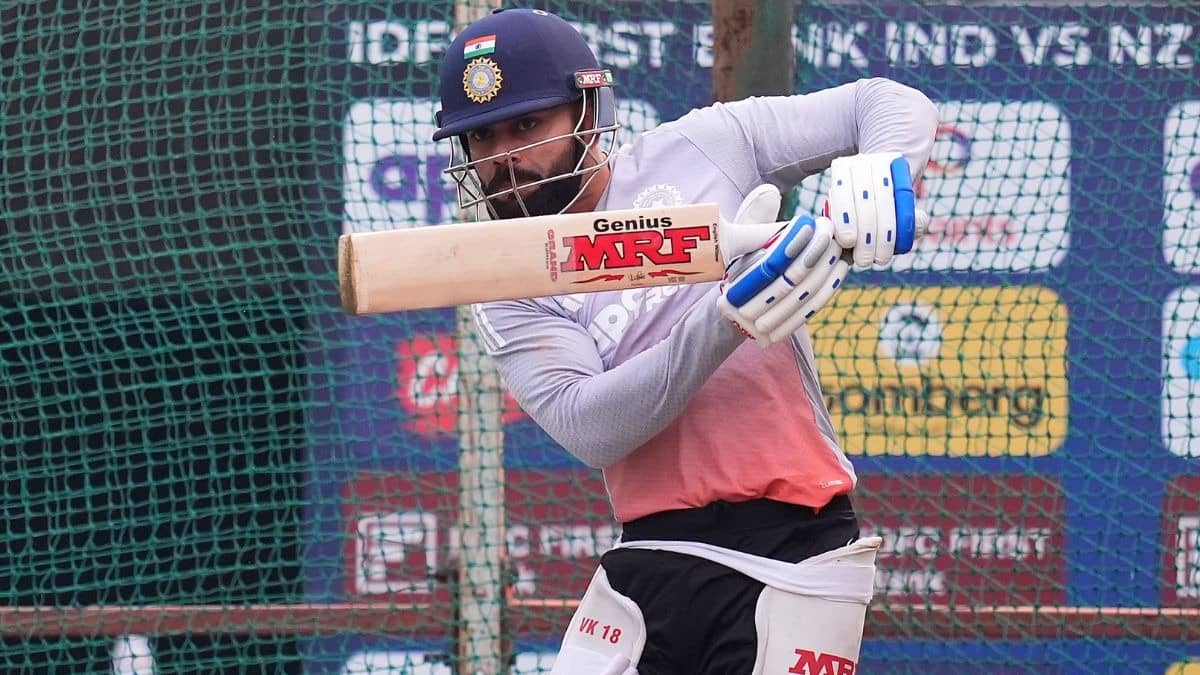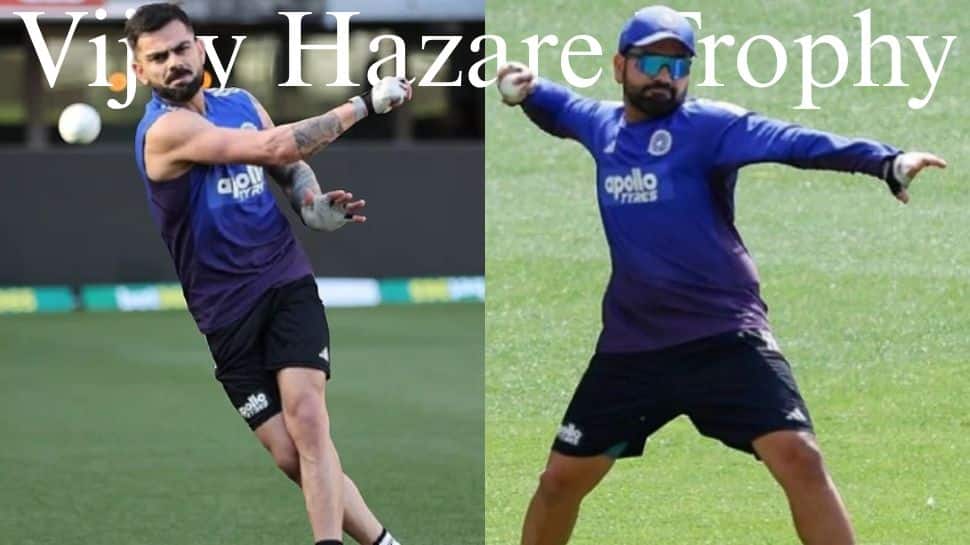
When Virat Kohli and Rohit Sharma walk out for Delhi and Mumbai in the 2025–26 Vijay Hazare Trophy, it will feel like Indian cricket folding back into itself. Two modern greats, global superstars of the ODI era, returning to a domestic 50-over tournament they once outgrew, now rediscovering its relevance at a decisive stage of their careers. This is not nostalgia for nostalgia’s sake. This is preparation, policy, pressure, and purpose colliding in a tournament that suddenly matters again.
Why Are Virat Kohli and Rohit Sharma Playing the Vijay Hazare Trophy?
The short answer is the BCCI mandate. The deeper answer is the 2027 ODI World Cup.
The Board of Control for Cricket in India has made it compulsory for centrally contracted players to feature in domestic tournaments when they are not on international duty. With both Kohli and Rohit retired from Tests and T20Is, their cricketing calendar now revolves almost entirely around ODIs. Opportunities are limited. Match rhythm is priceless.
The Vijay Hazare Trophy offers competitive 50-over cricket under pressure, something net sessions and bilateral series cannot replicate. For Kohli and Rohit, this is about staying sharp, staying relevant, and staying ahead in the World Cup race.
When Did Virat Kohli and Rohit Sharma Last Play the Vijay Hazare Trophy?
The gaps are telling.
Virat Kohli last played the Vijay Hazare Trophy in the 2009–10 season. He captained Delhi then, scoring 229 runs in five matches at an average of 45.8 and a strike rate north of 102. His final appearance came against Services on February 18, 2010. That is a 15-year absence.
Rohit Sharma’s most recent Vijay Hazare Trophy outing came in October 2018. He played the quarter-final and semi-final for Mumbai, scoring an unbeaten 33 against Bihar and 17 against Hyderabad. Mumbai lifted the trophy, though Rohit missed the final due to national duties.
Their returns underline just how rare this moment is.
Where Will Kohli and Rohit Play in VHT 2025–26?
Rohit Sharma will turn out for Mumbai in Jaipur. His first two games are against Sikkim and Uttarakhand at the Sawai Mansingh Stadium. Fans in Jaipur will have the rare privilege of watching him live.
Virat Kohli will represent Delhi in Bengaluru, beginning with a clash against Andhra Pradesh at the Centre of Excellence, followed by Gujarat. Delhi’s squad also includes Rishabh Pant, with Kohli operating under his captaincy.
Ironically, despite the star power, neither match will be live-streamed.
Why Is There No Live Streaming of Kohli and Rohit’s Matches?
It is a classic case of demand outpacing infrastructure.
All 38 teams are in action on the opening day, resulting in 19 simultaneous matches. The BCCI currently has full broadcast facilities at only two venues, the Narendra Modi Stadium in Ahmedabad and the Niranjan Shah Stadium in Rajkot.
As a result, matches featuring Kohli and Rohit will not be televised or live-streamed. This has happened before in Ranji Trophy and Syed Mushtaq Ali Trophy games, though last-minute changes have been made in the past when Kohli’s availability boosted interest.
All knockout matches of the Vijay Hazare Trophy will be broadcast from the Centre of Excellence, keeping alive the possibility of seeing the duo later in the tournament.
How Much Money Will Virat Kohli and Rohit Sharma Earn in the Vijay Hazare Trophy?
The numbers are modest. The symbolism is massive.
Domestic match fees in the Vijay Hazare Trophy are determined by List A experience:
- 0–20 matches: Rs 40,000 per game
- 21–40 matches: Rs 50,000 per game
- 41+ matches: Rs 60,000 per game
Both Kohli and Rohit fall into the highest bracket.
Virat Kohli is expected to play three matches, earning Rs 60,000 per game. His total earnings from the tournament will be Rs 1,80,000.
Rohit Sharma will also earn Rs 60,000 per match for his appearances.
For players who command crores in the IPL and global endorsements, the money is irrelevant. The message is everything.
Why the Vijay Hazare Trophy Suddenly Matters Again
The Vijay Hazare Trophy has struggled for relevance in the T20-dominated era. ODIs globally are shrinking. Domestic 50-over cricket often feels like an afterthought.
That changes when Kohli and Rohit turn up.
Their presence elevates the competition instantly. Dressing rooms become classrooms. Young batters face international-quality intensity. Bowlers get to test themselves against two of the greatest ODI batters of all time.
Selectors benefit too. With 21 ODIs scheduled before the 2027 World Cup, performances here provide clarity on form, fitness, and future planning.
What This Means for Indian Cricket’s Next Generation
For players like Rishabh Pant, Yashasvi Jaiswal, KL Rahul, Mohammed Siraj, and others returning to domestic cricket, the Vijay Hazare Trophy becomes a shared proving ground.
Mumbai chief selector Sanjay Patil summed it up best when he spoke about how senior players historically backed youngsters. Kohli and Rohit returning continues that tradition.
Youngsters do not just watch legends. They share nets, strategies, and pressure moments with them.
Can Kohli and Rohit Still Influence the 2027 World Cup Picture?
Absolutely.
Both were among the runs in the recent home series against South Africa. But consistency and continuity matter. With limited international fixtures, domestic tournaments like the Vijay Hazare Trophy help bridge that gap.
For Rohit, it is about refining tempo and leadership in the middle overs. For Kohli, it is about rhythm, strike rotation, and match control. These are ODI-specific skills, best honed in 50-over contests.
A Quiet Return That Speaks Loudly
There will be no live stream. No television cameras. No viral clips flooding timelines.
Yet Virat Kohli and Rohit Sharma’s return to the Vijay Hazare Trophy is one of the most meaningful cricketing stories of the season. It is about respect for the domestic system, preparation over spectacle, and substance over spotlight.
In an era obsessed with visibility, their choice to play quietly might be the loudest statement of all.
About the Author