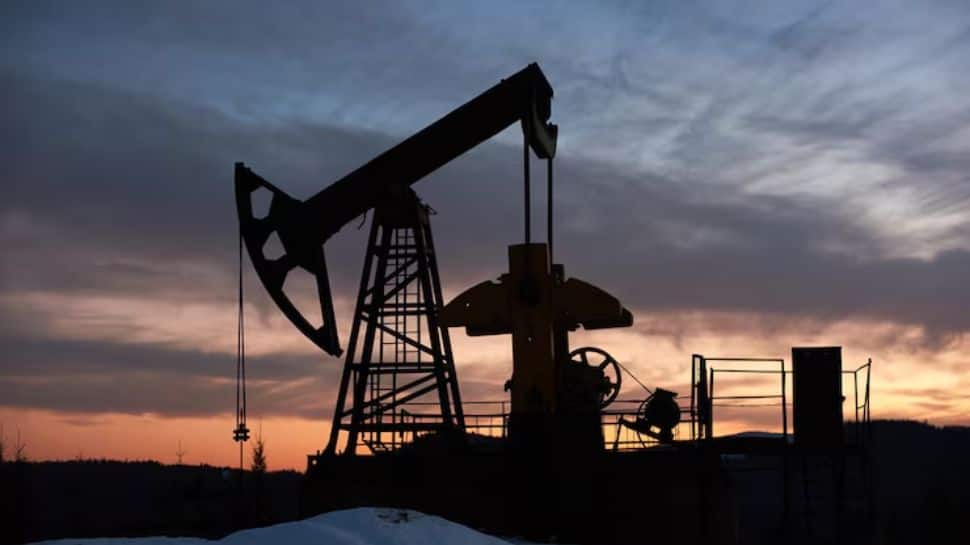
Venezuela holds the world’s largest proven oil reserves, surpassing Saudi Arabia with around 303 billion barrels of crude oil. This massive stash accounts for nearly one-fifth of global supplies, according to data from the US Energy Information Administration (EIA). Unlike Saudi Arabia’s lighter oil, much of Venezuela’s oil lies in the heavy Orinoco Belt, making it tough and costly to extract.
Saudi Arabia ranks second with about 267-298 billion barrels, while Canada, Iran, and others trail behind. Venezuela’s reserves could last over 200 years at current rates, but production lags at just 1 million barrels per day—less than 1% of world output.
Production Challenges
Most Venezuelan crude oil is extra-heavy, needing special refineries that pollute more and cost extra. According to reports, power cuts, theft, and underinvestment have slashed output from 3.5 million barrels daily in the 1970s to today’s low. Experts say unlocking this oil could reshape global energy, but sanctions and chaos held it back until recent US moves.
In addition to these challenges, Venezuela’s oil sector has been hit hard by years of economic crisis and international sanctions. US and European sanctions limited the country’s ability to export crude freely, access global financing, and import essential equipment needed to maintain oil fields and refineries.
(Also Read: Venezuela US News Live Updates| ‘Happy New Year’: Detained Maduro Appears In Handcuffs)
According to reports, the state-run oil company PDVSA has also struggled with mismanagement and corruption allegations, which have weakened production capacity. Many refineries operate far below capacity, leading Venezuela to import fuel at times despite its vast reserves.
Experts say that reviving Venezuela’s oil industry would require billions of dollars in investment, modern technology, and stable political conditions. According to a 2023 survey, around 82.4 percent of households live in poverty conditions, and 50.5 percent live in extreme poverty.
How Crude Oil Is Extracted?
Crude oil is extracted from deep underground through a carefully planned drilling process. Oil companies first carry out geological surveys to find oil-rich areas beneath Earth’s surface. Once a site is identified, drilling rigs are used to drill wells into the ground or seabed.
After drilling, pressure inside the reservoir helps push oil to the surface in the early stage. As pressure drops over time, pumps and water or gas injection are used to bring out more oil. The extracted crude oil is then sent through pipelines or tankers to refineries. At refineries, crude oil is processed into petrol, diesel, jet fuel, and other products used in daily life.
About the Author