Bangladesh is going through a risky phase that many countries have faced before. The old political order has collapsed. However, a new and stable one has not yet taken shape. In such moments, politics does not work in the usual way. Ideas and promises matter less. And what in stead matters more is control, positioning and influence over what happens next.
This is not a story about personalities or hidden intentions. It is about how power usually works when institutions are weak and the future is uncertain. History shows that transitional governments rarely function as neutral caretakers. Instead, they often become centres of power in their own right. Even if that means that they were never meant to be permanent.
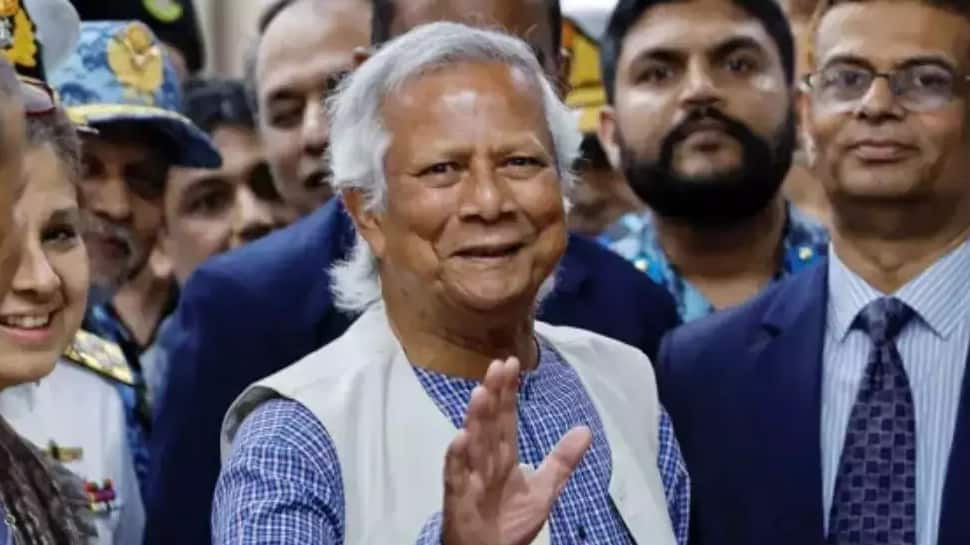
Bangladesh’s current interim arrangement came into being after a sudden political breakdown. Faced with unrest and uncertainty, a stopgap system was put in place to restore order and guide the country towards elections. On paper, such arrangements are temporary and non-political. In reality, once an interim authority is in place, it begins to face pressures that push it towards holding on to power. These pressures are not dramatic or violent. They are quiet and practical. The interim leadership must keep the streets calm and reassure business interests locally. At a global level it should seek to manage international expectations and prevent rivals from regrouping too quickly. To do this, power is slowly assembled through informal networks, advisory roles, committees and influence over institutions that appear technical but are deeply political.
One key method is building alliances based on usefulness, not belief. Transitional leaders do not look for people who share their ideology. They look for people who control important levers. This could be senior bureaucrats, respected civil society figures, student groups, sections of the media, or individuals with strong international connections. Each alliance serves a specific purpose, even if the partners disagree on almost everything else.
Such coalitions are rarely stable or honest. They exist to manage the present, not to build the future. But they are effective in preventing any single political force from gaining enough strength to challenge the centre of power.Another important tool is control over process rather than results. Instead of openly choosing winners and losers, interim authorities focus on shaping the rules of the game. This includes deciding when elections will be held, what reforms must happen first, how institutions are restructured, and which legal changes are considered “essential”.
By controlling these steps, those in charge influence outcomes without appearing to take sides. Delays are explained as caution. Extended timelines are justified as responsibility.The language is always about fixing the system, even when the effect is to slow down political competition.
In Bangladesh, reform has become the main justification for prolonging the transition. Many reforms are genuinely needed. But when reform agendas are broad, undefined, or constantly expanding, they can also become tools of delay. Each unfinished reform becomes a reason to postpone the next political milestone.Periods of institutional stress also give rise to informal authority. When formal systems are shaky, people look for figures who seem calm, credible and acceptable to different groups. These figures gain influence not through elections, but through perception. Their ability to speak to foreign governments, donors and international organisations becomes a source of power at home.
International actors often play a quiet role in this process. External partners usually value stability over speed. They prefer familiar faces who promise order, even if elections take longer than expected.This external comfort can strengthen interim leaders, giving them legitimacy without accountability.
Studies of other countries show similar patterns. In many transitional states, interim governments slowly turned into long-term arrangements. Elections were not cancelled, but endlessly prepared for. Opposition groups were not banned, but divided. Power stayed where it was because the cost of change kept rising.Bangladesh’s political fragmentation adds to this problem. When political parties are divided and distrustful of each other, they struggle to apply pressure on the interim authority.Instead of working together, they compete for access and favour. This shifts politics away from the public and towards closed-door negotiations.
It is important to note that this does not require a single planner or hidden plot.Transitional power consolidation often happens without clear intent. People respond to uncertainty by trying to protect their position.Over time, these defensive actions turn into systems that are hard to dismantle.The real danger is not sudden authoritarianism. It is something slower and quieter. A transition that never quite ends. A system where temporary arrangements become normal, political parties weaken, and public trust fades.Bangladesh’s challenge is not just to change governments, but to ensure that the transition does not replace democracy itself. Power will always be negotiated during times of crisis. The key question is whether institutions, political forces and public pressure are strong enough to ensure that this negotiation leads back to elected rule.
In today’s Bangladesh, the real contest is not about who holds power now, but about who controls the road ahead.
About the Author